Interviews Measure Potential, Observation Measures Performance

Modern Hiring is Built for Speed

Modern hiring is built for speed

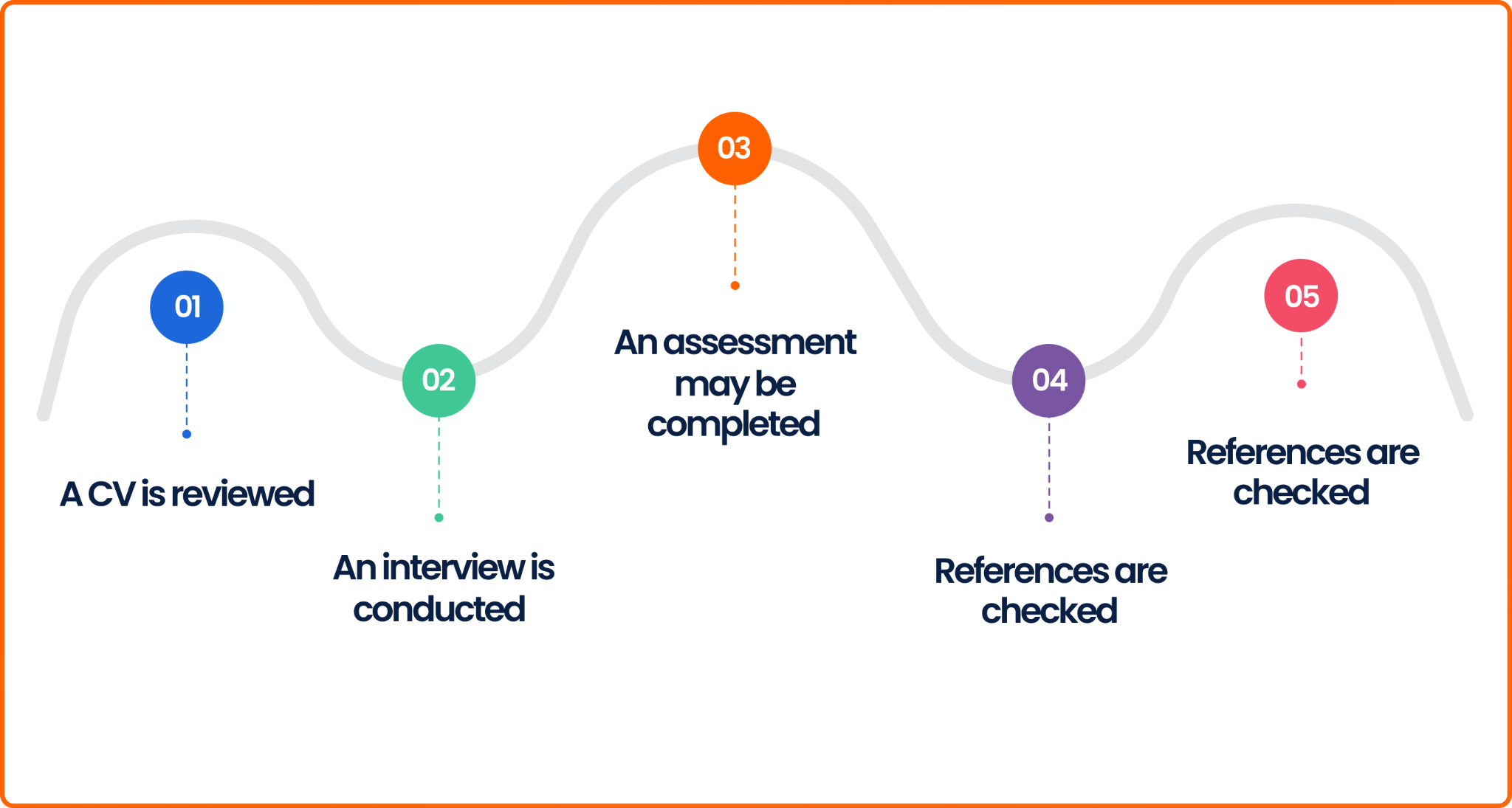
A curriculum vitae (CV) is reviewed, an interview is conducted, an assessment may be completed, references are checked, and a decision is made. In many cases, an organisation is expected to make a long-term judgement about someone’s suitability after only a few hours of interaction.

The process is understandable. Businesses need to move quickly, and candidates need opportunities to demonstrate their capabilities. Interviews, assessments, certifications, and experience all provide useful signals.

The challenge is that many of the qualities organisations value most are difficult to assess during recruitment.

Ownership, judgement, learning agility, resilience, communication, stakeholder management, accountability, and the ability to navigate ambiguity rarely reveal themselves fully in a controlled interview setting. They tend to emerge over time, especially when expectations are unclear, priorities shift, deadlines move, stakeholders disagree, or unfamiliar problems arise.

As a result, hiring decisions are often made using proxies. A CV becomes a proxy for competence. An interview becomes a proxy for ownership. A certification becomes a proxy for capability.

Sometimes those proxies work. Sometimes they don’t.

Trust is Compressed

One of the more interesting aspects of modern hiring is how aggressively organisations try to compress trust-building into a short period.

A few conversations, a technical assessment, and a reference check are often expected to provide enough confidence for a long-term employment decision. Yet outside hiring, trust is rarely built this way.

Most organisations do not give new employees their most critical responsibilities on day one. Clients rarely trust a new service provider after a single meeting. Investors rarely commit capital after one conversation. In most areas of business, trust develops through repeated interaction and observed behaviour.

Hiring is one of the few exceptions where organisations try to accelerate that process. As a result, they are often surprised. The individual who interviewed exceptionally well struggles once accountability becomes real. The person who seemed average during recruitment becomes one of the strongest performers on the team.

The issue is rarely competence alone. Performance and potential are not always the same thing.

Lessons from Delivery
This became particularly visible to us at Assurdly.

The environments we operate in require people to do more than execute tasks. They must navigate ambiguity, manage stakeholders, remove blockers, enforce standards, communicate effectively, and consistently drive work to completion.

These qualities are not easily measured in a few conversations. Over time, our hiring process evolved in response.

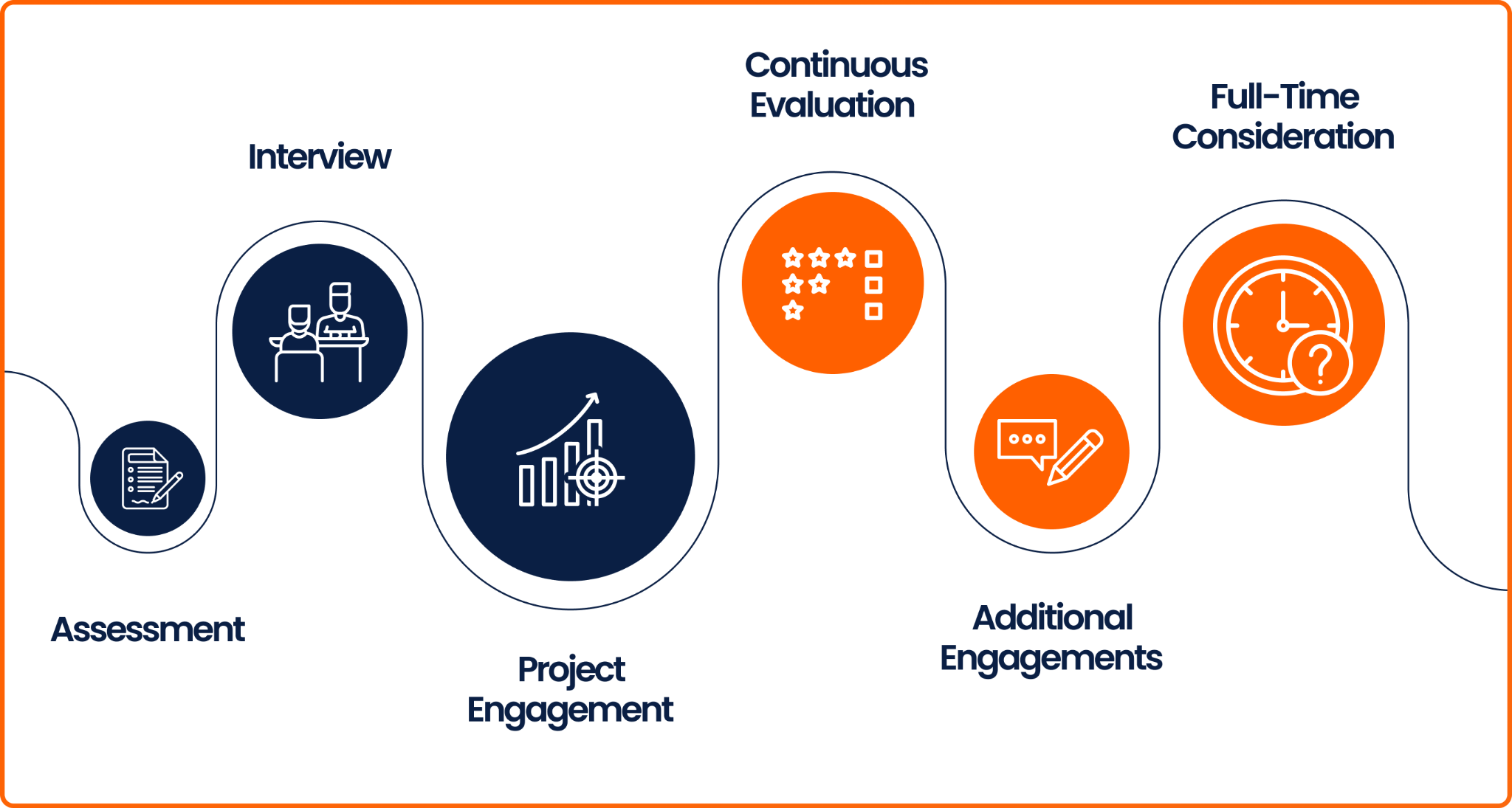
For experienced professionals, the process became:

Assessment → Interview → Project Engagement → Continuous Evaluation → Additional Engagements → Full-Time Consideration

For interns and early-career talent, there is an initial self-directed learning and execution phase before they enter project-based work.

The goal was never to create a unique hiring framework. It was simply to extend the observation window.

We found capability became much easier to evaluate when people were observed across real projects, stakeholders, challenges, and accountability.

Some performed exceptionally well in interviews but struggled to maintain consistency once delivery began. Others were less impressive during recruitment but became outstanding operators when given ownership.

The more we observed real work, the more confidence we had in our decisions. The less we observed, the more uncertainty remained.

The Apprenticeship Principle

What was interesting was discovering that this idea was not new.

While reflecting on our approach, I realised many professions have been solving the same problem for generations.

Carpenters progressed through apprenticeship models where trust and responsibility were earned through demonstrated capability over time.

Accountants, lawyers, doctors, consultants, and other professionals similarly build autonomy through repeated observation and performance rather than interviews alone.

The philosophy is remarkably simple: trust is earned through observed delivery.

Viewed through that lens, our model felt less like an invention and more like a rediscovery of something many professions had already learned.

Performance reveals itself through repetition. Consistency reveals itself over time. Responsibility is best granted when capability has been demonstrated, not assumed.

Observation Reduces Risk
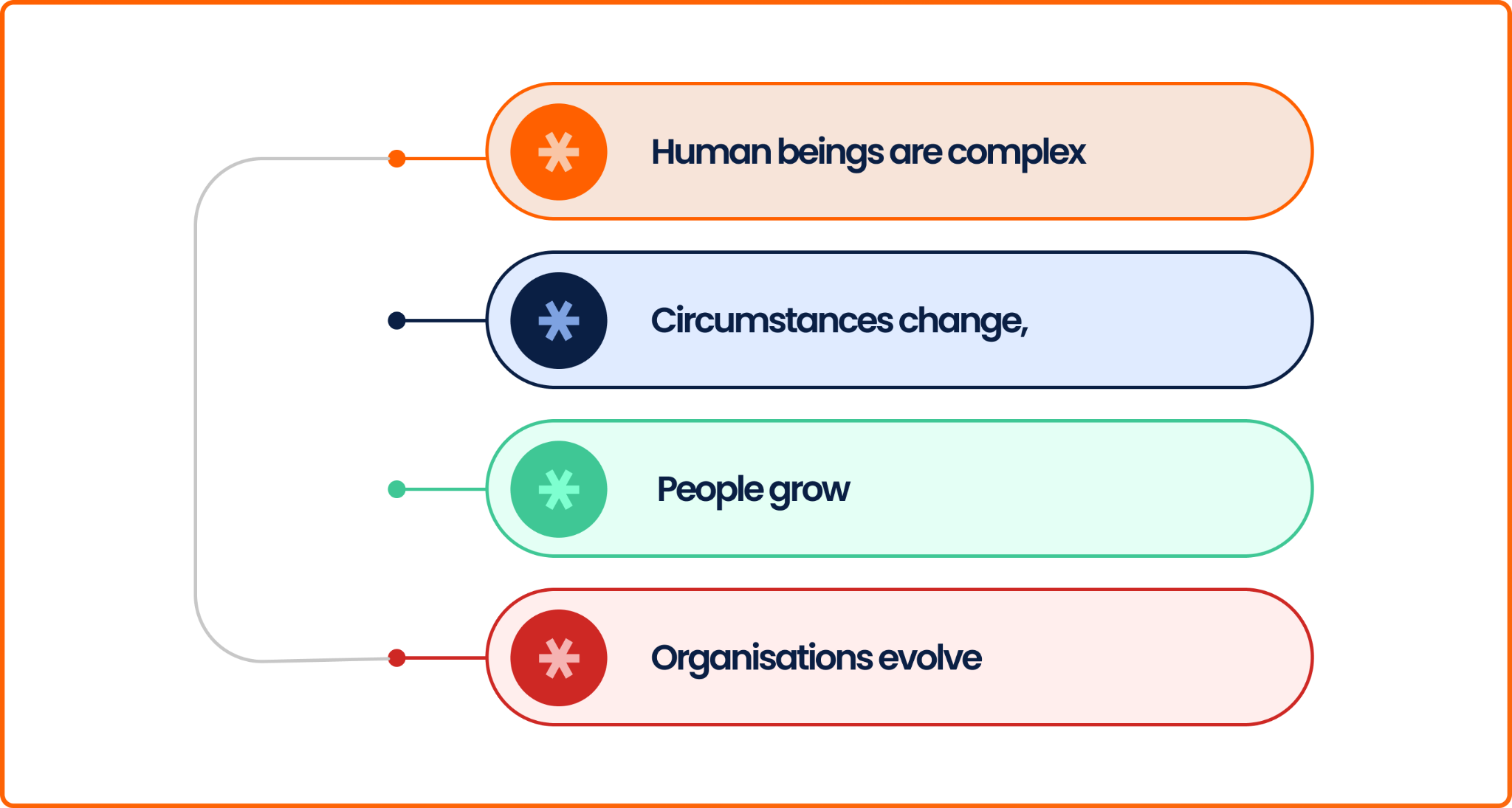
Of course, no hiring model is perfect. Human beings are complex; circumstances change, people grow, organisations evolve. No process can completely eliminate hiring risk.

What observation provides, however, is a better opportunity to identify patterns. It allows organisations to move beyond first impressions and evaluate how people behave when faced with real work. It reveals how individuals respond when things become difficult, unclear, repetitive, stressful, or unexpected.

Most importantly, it shifts the conversation from what someone says they can do to what they repeatedly demonstrate they can do.

When Experience Leads Theory

The most interesting lesson from this reflection was not about hiring. It was a reminder that many effective operating models are not designed in workshops, frameworks, or strategy sessions. They emerge from repeated exposure to the same problem.

An organisation encounters a challenge, adapts to solve it, refines the solution, and eventually discovers that others have reached remarkably similar conclusions through entirely different paths.

Sometimes experience reaches the answer before theory does. And perhaps that is the broader lesson for hiring as well. Potential can be interviewed, assessed, and discussed. Performance must be observed.

The organisations that learn fastest are often those that create more opportunities to watch real work unfold, because behaviour leaves fewer mysteries than promises.

In the end, experience teaches what interviews can only suggest: trust the patterns people demonstrate, not just the stories they tell.

How Assurdly Supports Talent Readiness

Organisations don't always have the time, structure or internal capacity to observe early-career candidates over weeks before making hiring decisions. Building meaningful work simulations, assessing performance consistently and documenting evidence requires planning, clear evaluation criteria and ongoing oversight.

For organisations looking to bring more practical evidence into their hiring process, Assurdly provides a structured Talent Readiness service. 

We help organisations extend the observation window before hiring through structured work simulations, guided practical delivery and evidence-based readiness assessments. Rather than relying solely on CVs, interviews or one-off assessments, employers gain visibility into how candidates learn, execute work, communicate, respond to feedback and perform over time.

Whether an organisation wants to assess candidates from its own applicant pool or recruit from Assurdly's existing talent network, our goal is the same: to provide practical evidence that supports stronger hiring decisions while complementing existing recruitment and onboarding processes.

Because while interviews help reveal potential, we believe confidence grows when performance has been observed.

Make Hiring Decisions with Better Evidence.

Assess talent through practical work, not just interviews.

Explore Talent Readiness

Modern Hiring is Built for Speed

Modern hiring is built for speed

A curriculum vitae (CV) is reviewed, an interview is conducted, an assessment may be completed, references are checked, and a decision is made. In many cases, an organisation is expected to make a long-term judgement about someone’s suitability after only a few hours of interaction.

The process is understandable. Businesses need to move quickly, and candidates need opportunities to demonstrate their capabilities. Interviews, assessments, certifications, and experience all provide useful signals.

The challenge is that many of the qualities organisations value most are difficult to assess during recruitment.

Ownership, judgement, learning agility, resilience, communication, stakeholder management, accountability, and the ability to navigate ambiguity rarely reveal themselves fully in a controlled interview setting. They tend to emerge over time, especially when expectations are unclear, priorities shift, deadlines move, stakeholders disagree, or unfamiliar problems arise.

As a result, hiring decisions are often made using proxies. A CV becomes a proxy for competence. An interview becomes a proxy for ownership. A certification becomes a proxy for capability.

Sometimes those proxies work. Sometimes they don’t.

Trust is Compressed

One of the more interesting aspects of modern hiring is how aggressively organisations try to compress trust-building into a short period.

A few conversations, a technical assessment, and a reference check are often expected to provide enough confidence for a long-term employment decision. Yet outside hiring, trust is rarely built this way.

Most organisations do not give new employees their most critical responsibilities on day one. Clients rarely trust a new service provider after a single meeting. Investors rarely commit capital after one conversation. In most areas of business, trust develops through repeated interaction and observed behaviour.

Hiring is one of the few exceptions where organisations try to accelerate that process. As a result, they are often surprised. The individual who interviewed exceptionally well struggles once accountability becomes real. The person who seemed average during recruitment becomes one of the strongest performers on the team.

The issue is rarely competence alone. Performance and potential are not always the same thing.

Lessons from Delivery

This became particularly visible to us at Assurdly.

The environments we operate in require people to do more than execute tasks. They must navigate ambiguity, manage stakeholders, remove blockers, enforce standards, communicate effectively, and consistently drive work to completion.

These qualities are not easily measured in a few conversations. Over time, our hiring process evolved in response.

For experienced professionals, the process became:

Assessment → Interview → Project Engagement → Continuous Evaluation → Additional Engagements → Full-Time Consideration

For interns and early-career talent, there is an initial self-directed learning and execution phase before they enter project-based work.

The goal was never to create a unique hiring framework. It was simply to extend the observation window.

We found capability became much easier to evaluate when people were observed across real projects, stakeholders, challenges, and accountability.

Some performed exceptionally well in interviews but struggled to maintain consistency once delivery began. Others were less impressive during recruitment but became outstanding operators when given ownership.

The more we observed real work, the more confidence we had in our decisions. The less we observed, the more uncertainty remained.

The Apprenticeship Principle

What was interesting was discovering that this idea was not new.

While reflecting on our approach, I realised many professions have been solving the same problem for generations.

Carpenters progressed through apprenticeship models where trust and responsibility were earned through demonstrated capability over time.

Accountants, lawyers, doctors, consultants, and other professionals similarly build autonomy through repeated observation and performance rather than interviews alone.

The philosophy is remarkably simple: trust is earned through observed delivery.

Viewed through that lens, our model felt less like an invention and more like a rediscovery of something many professions had already learned.

Performance reveals itself through repetition. Consistency reveals itself over time. Responsibility is best granted when capability has been demonstrated, not assumed.

Observation Reduces Risk

Of course, no hiring model is perfect. Human beings are complex; circumstances change, people grow, organisations evolve. No process can completely eliminate hiring risk.

What observation provides, however, is a better opportunity to identify patterns. It allows organisations to move beyond first impressions and evaluate how people behave when faced with real work. It reveals how individuals respond when things become difficult, unclear, repetitive, stressful, or unexpected.

Most importantly, it shifts the conversation from what someone says they can do to what they repeatedly demonstrate they can do.

When Experience Leads Theory

The most interesting lesson from this reflection was not about hiring. It was a reminder that many effective operating models are not designed in workshops, frameworks, or strategy sessions. They emerge from repeated exposure to the same problem.

An organisation encounters a challenge, adapts to solve it, refines the solution, and eventually discovers that others have reached remarkably similar conclusions through entirely different paths.

Sometimes experience reaches the answer before theory does. And perhaps that is the broader lesson for hiring as well. Potential can be interviewed, assessed, and discussed. Performance must be observed.

The organisations that learn fastest are often those that create more opportunities to watch real work unfold, because behaviour leaves fewer mysteries than promises.

In the end, experience teaches what interviews can only suggest: trust the patterns people demonstrate, not just the stories they tell.

How Assurdly Supports Talent Readiness

Organisations don't always have the time, structure or internal capacity to observe early-career candidates over weeks before making hiring decisions. Building meaningful work simulations, assessing performance consistently and documenting evidence requires planning, clear evaluation criteria and ongoing oversight.

For organisations looking to bring more practical evidence into their hiring process, Assurdly provides a structured Talent Readiness service. 

We help organisations extend the observation window before hiring through structured work simulations, guided practical delivery and evidence-based readiness assessments. Rather than relying solely on CVs, interviews or one-off assessments, employers gain visibility into how candidates learn, execute work, communicate, respond to feedback and perform over time.

Whether an organisation wants to assess candidates from its own applicant pool or recruit from Assurdly's existing talent network, our goal is the same: to provide practical evidence that supports stronger hiring decisions while complementing existing recruitment and onboarding processes.

Because while interviews help reveal potential, we believe confidence grows when performance has been observed.