.png)
Imagine a construction crew standing on a vacant lot. They have the blueprints for a revolutionary new skyscraper, the funding is secured, and the client is eager to move in. But instead of pouring the concrete or raising the steel, the crew spends the first three weeks reinventing the hammer. Then, they spend another month debating the chemical composition of a standard brick.
It sounds absurd, yet this is exactly how most software products begin. We call it "The Groundhog Day of Development."
The "Day One" Trap
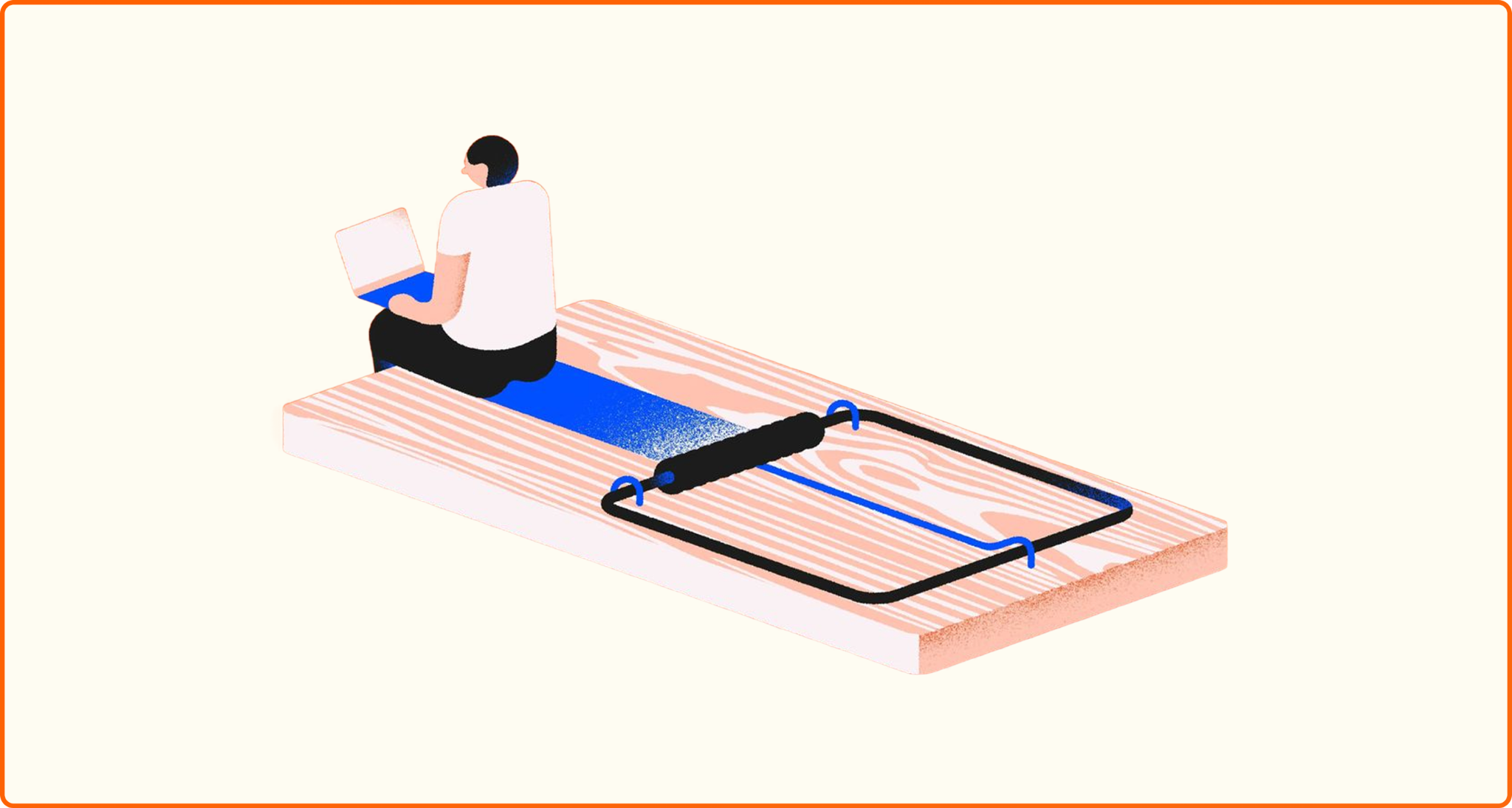
Every ambitious project starts with a unique vision. Maybe it’s a fintech app that simplifies global remittances or a healthcare portal that connects rural patients with specialists. These are the “secret sauces”, the business logic that makes a product worth building.
However, before a developer can write a single line of that secret sauce, they are forced to build the “boring stuff.” Every application requires a way for users to log in (Authentication), a way to define what those users can see (Roles), a place for them to change their email (Settings), and a system to track who did what (Audit).
In the excitement of a new launch, teams often treat these foundational elements as “quick wins.” But they rarely are. As Assurdly’s internal strategy consistently highlights, the cost of redoing this work repeatedly is an avoidable overhead that quietly drains time and momentum. What should be a weekend task turns into a month-long odyssey of rebuilding the same foundation from scratch.
The Rebuilding Tax
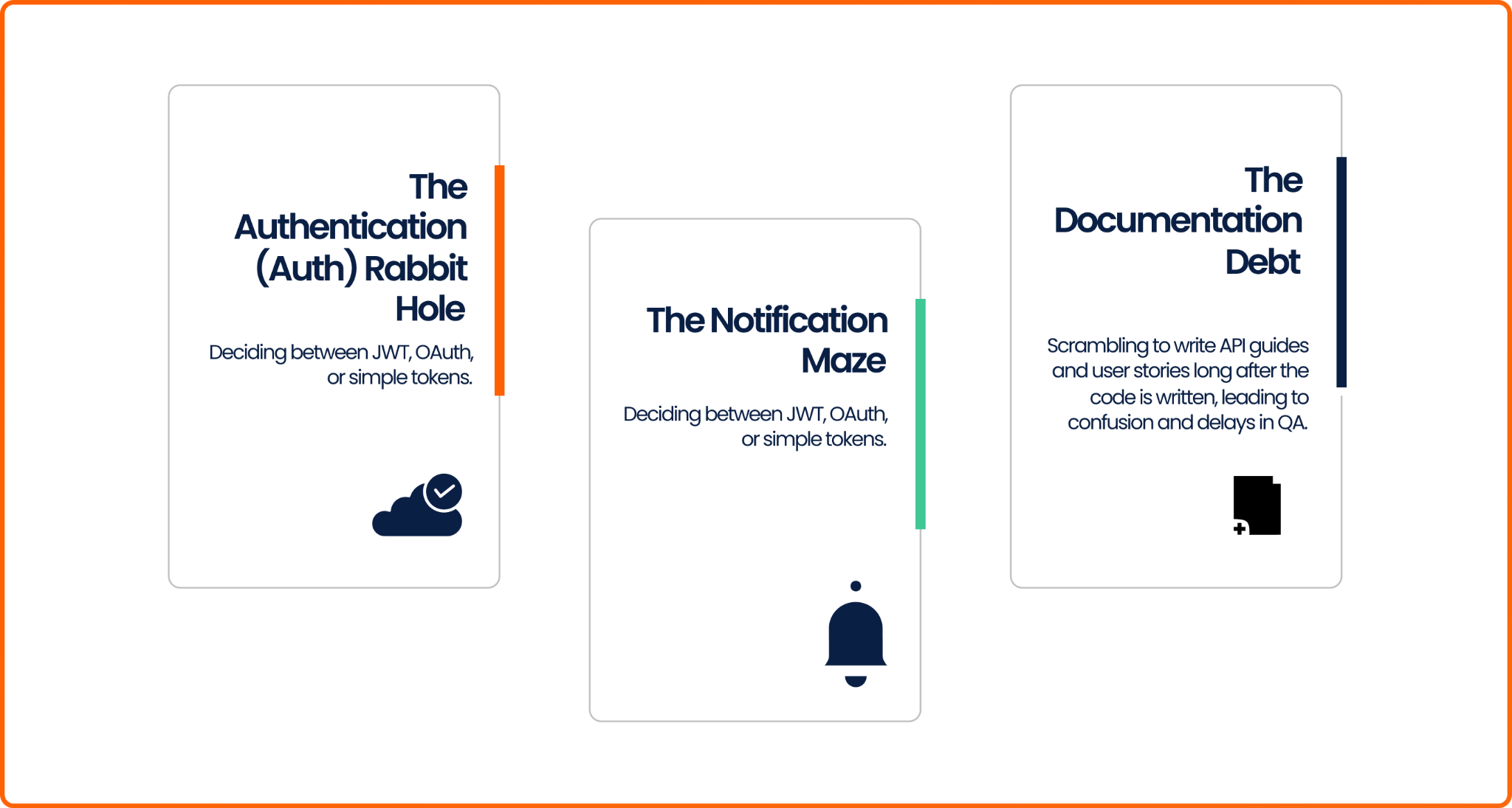
When teams start from zero, they aren't just writing code; they are guessing. Without a standardised approach, weeks are lost to:
- The Authentication (Auth) Rabbit Hole: Deciding between JWT, OAuth, or simple tokens.
- The Notification Maze: Manually setting up SMS, email, and WhatsApp templates for every possible scenario, from "Welcome" to "Password Reset".
- The Documentation Debt: Scrambling to write API guides and user stories long after the code is written, leading to confusion and delays in QA.
The Assurdly project plan shows that even with experienced teams, documentation and boilerplate setup can consume nearly 20% of the initial project timeline. This is time that could, and should, be spent on the features that actually differentiate the product in the market.
From Guessing to Executing
The difference between a product that launches on time and one stuck in “development” is rarely talent; it’s the starting point.
Instead of staring at a blank screen on Day One, imagine starting with a backend that already includes user management, role-based access control, audit logs, and notification systems. Instead of redesigning a login flow for the hundredth time, you plug into a library of tested, production-ready components.
This is where Assurdly’s approach shifts the game.
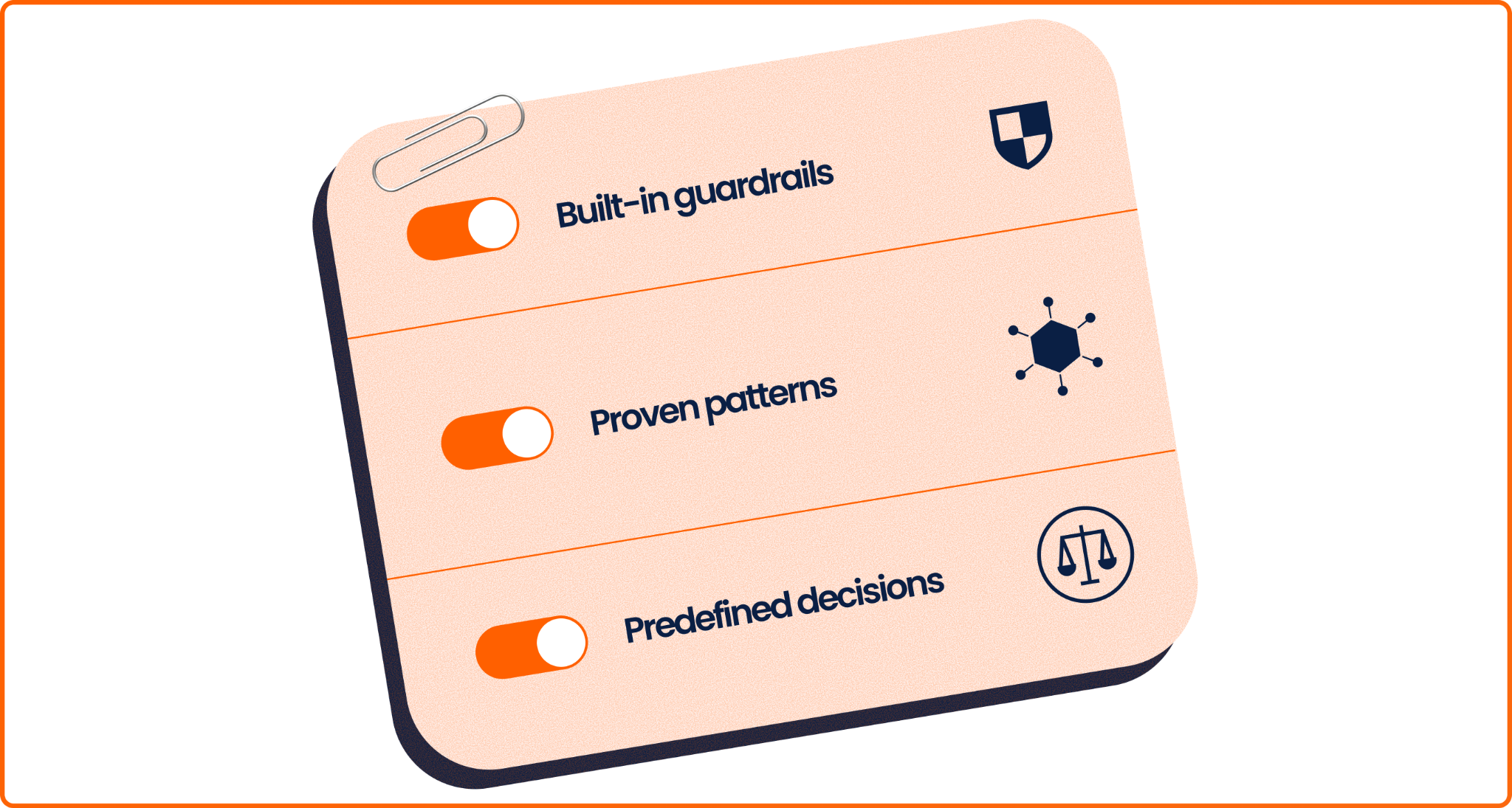
At Assurdly, we don’t treat boilerplate as an afterthought; we treat it as infrastructure. Our starter systems are designed to eliminate the guesswork entirely. They come with built-in guardrails, proven patterns, and predefined decisions so teams don’t waste time asking “how should we do this?” and can instead focus on “what are we building?”
It’s not just a toolkit. It’s a shift from improvisation to execution.
The Strategy of Speed
Building a product is a marathon, but the first mile shouldn’t be spent tying your shoelaces.
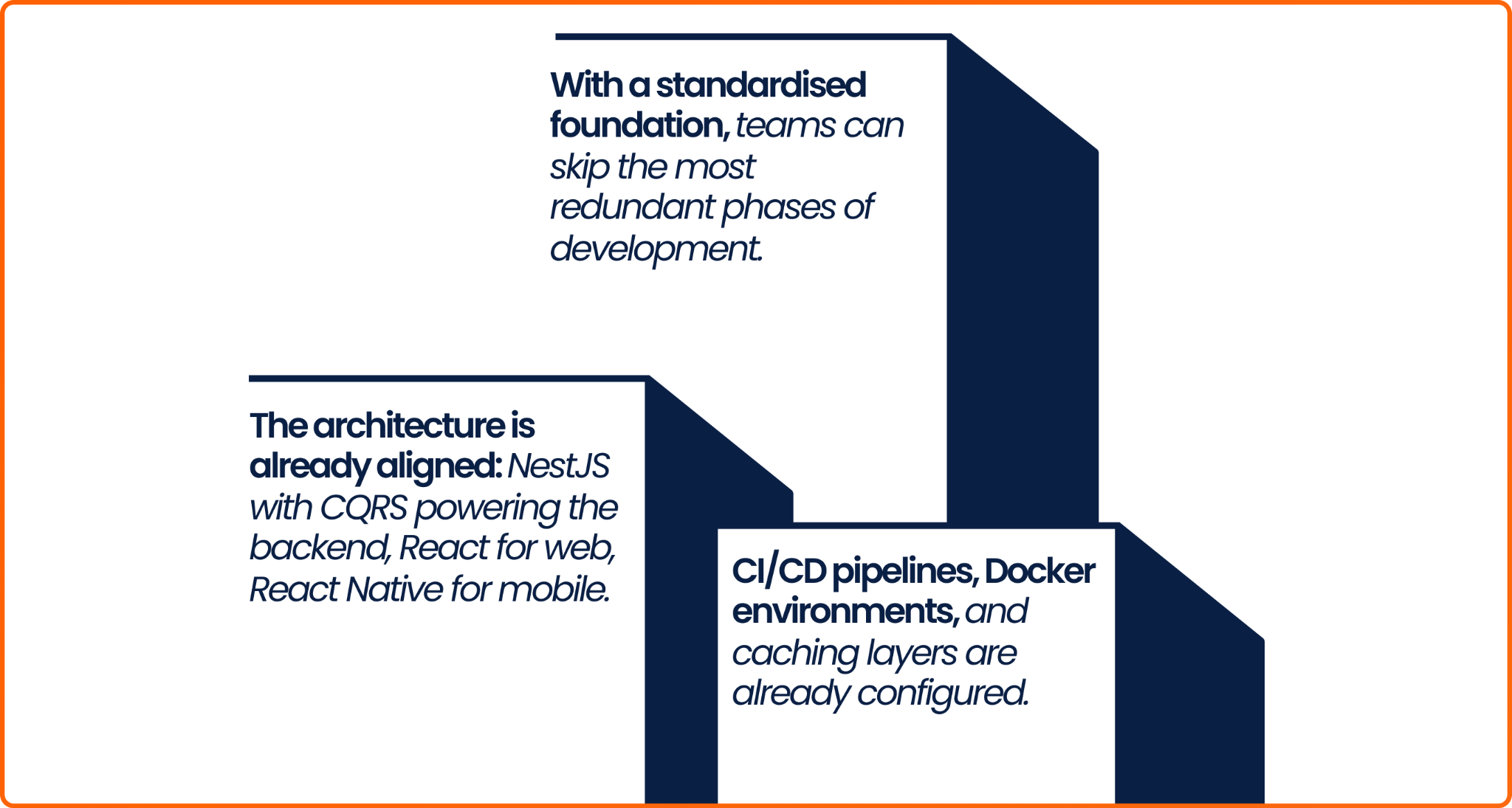
With a standardised foundation, teams can skip the most redundant phases of development. The architecture is already aligned: NestJS with CQRS powering the backend, React for web, React Native for mobile. CI/CD pipelines, Docker environments, and caching layers are already configured.
What used to take weeks now takes hours.
And more importantly, the team’s energy is redirected to what actually matters: solving the user’s problem, refining the product experience, and shipping faster.
Building What Actually Matters
The real cost of rebuilding isn’t just time; it’s opportunity. Every week spent recreating authentication flows or notification systems is a week not spent improving the product’s core value.
That’s the gap Assurdly exists to close.
By removing the repetitive, we give teams back their most valuable resource: focus. By standardising the foundation, we make speed predictable. And by eliminating early-stage friction, we help products move from idea to impact without unnecessary delays.
Because in the end, the goal isn’t just to build faster. It’s to start closer to the finish line, and spend your time building the skyscraper, not the hammer.