When Sycamore acquired its Microfinance Bank licence, the regulatory milestone immediately translated into a technical requirement. Operating as a licenced financial institution in Nigeria requires direct integration with the Nigeria Inter-Bank Settlement System (NIBSS). Without NIBSS connectivity, a bank cannot send or receive interbank transfers, execute authorised debit instructions, initiate structured payment requests or participate fully in the national clearing ecosystem.
For Sycamore, this integration was not simply about compliance. It was about establishing direct control over its payment infrastructure.
Sycamore operates across lending, savings and investment products and holds the necessary regulatory approvals to deliver these services within Nigeria’s financial framework. As the business expanded its licenced footprint, it required two tightly connected capabilities: full connectivity across all relevant NIBSS services and a structured mechanism for orchestrating recurring debit cycles tied to its lending and structured financial products.
Assurdly was engaged to deliver both.
The Integration Requirement
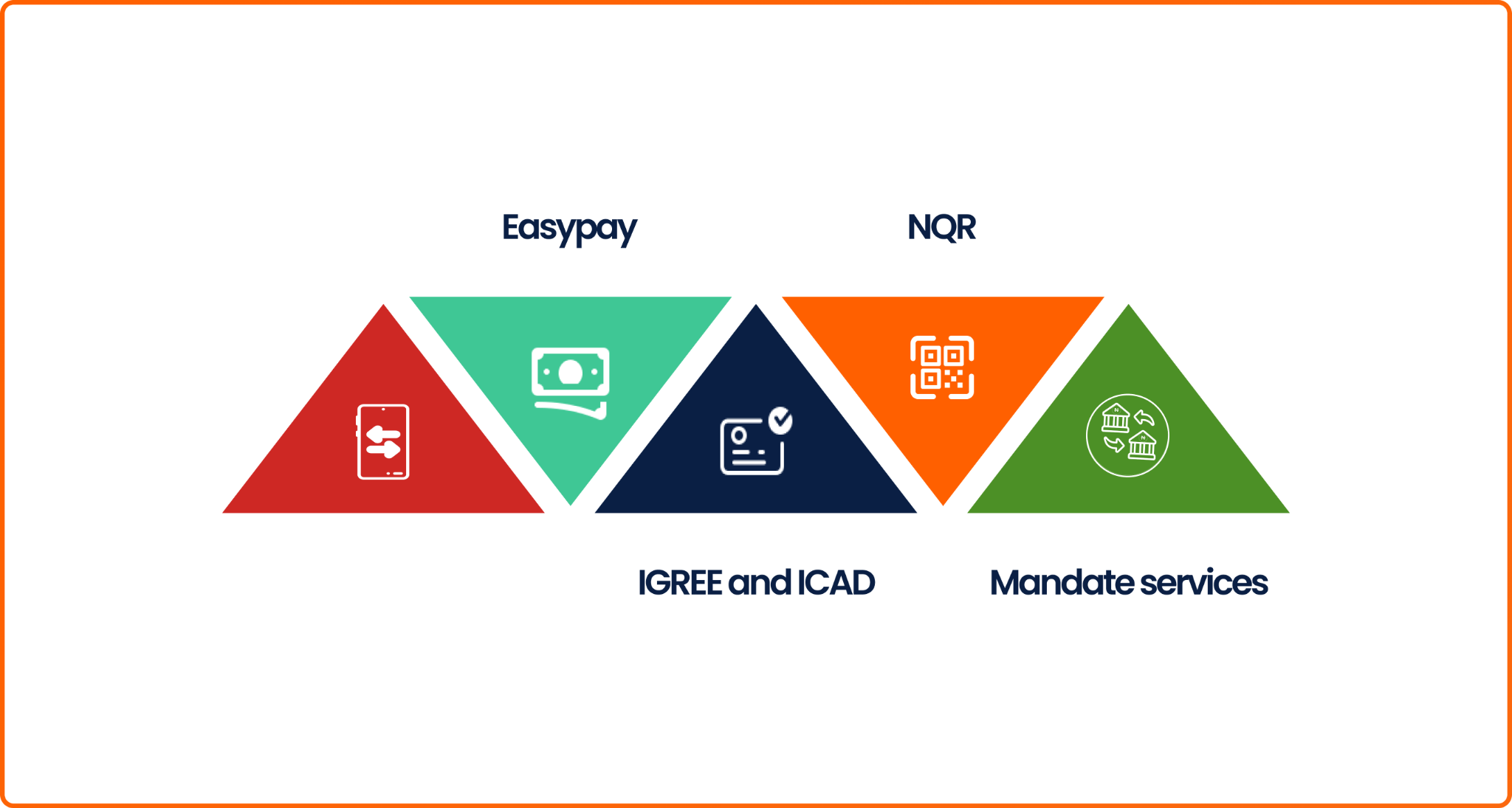
As a newly licenced Microfinance Bank, Sycamore needed production-ready connectivity across the core NIBSS services that underpin regulated banking operations. These included NIP (inward and outward transfers), NQR, IGREE, EasyPay and Mandate services.
NIP enables real-time interbank transfers across Nigerian banks. NQR supports interoperable request-to-pay workflows. IGREE facilitates structured debit and credit processing within defined frameworks. EasyPay provides the regulated rail leveraged in institutional debit execution. Mandate services enable authorised debit instructions tied to customer consent.
The objective was not to activate isolated services. It was to establish complete, production-ready participation within the NIBSS ecosystem from inception.
Delivering Full NIBSS Connectivity
To meet this requirement efficiently, Assurdly deployed its reusable NIBSS-in-a-Box architecture to connect Sycamore directly to the central switch.
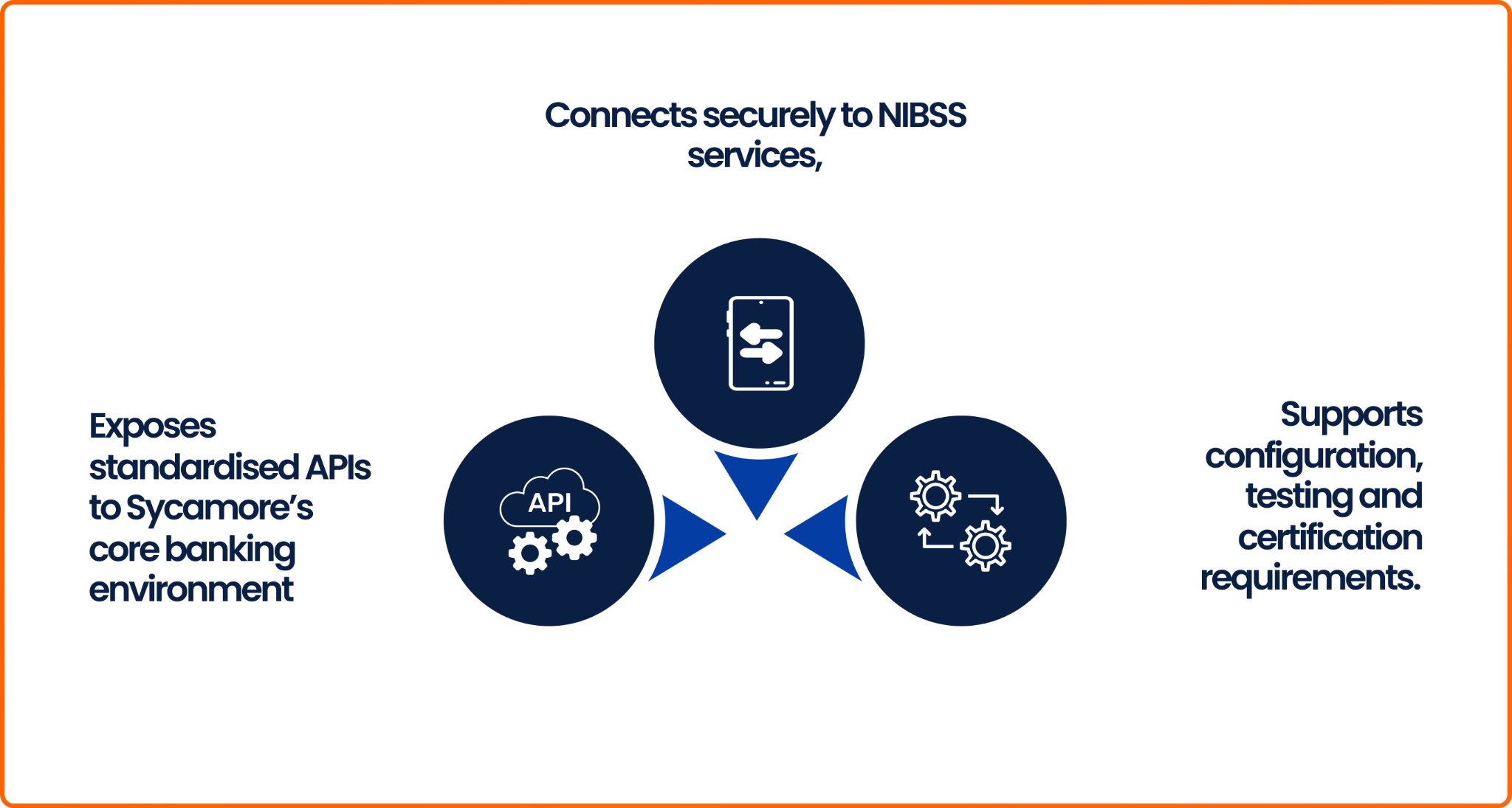
Rather than integrating each service independently, we implemented a structured integration layer that:
- Connects securely to NIBSS services,
- Exposes standardised APIs to Sycamore’s core banking environment
- Supports configuration, testing and certification requirements.
At completion, Sycamore could send and receive interbank transfers through NIP, support NQR-based payment requests, execute structured debit and credit flows through IGREE, create and manage mandates and execute debit instructions leveraging EasyPay.
Sycamore moved from licence acquisition to live participation on Nigeria’s national payment rails with infrastructure designed for operational stability.
However, for an institution operating lending and structured financial products, connectivity alone does not complete the picture.
The Recurring Debit Requirement
Sycamore’s product suite includes structured lending and investment offerings that rely on predictable, recurring financial flows. In structured lending, repayment follows defined cycles. In investment and savings products, scheduled contributions may also be required.
NIBSS mandate services allow a bank to create a mandate and execute a debit against that mandate. What they do not provide is recurring orchestration. There is no native scheduling engine within NIBSS that defines and automatically executes repeat debit cycles aligned with product structures.
Before acquiring its MFB licence, Sycamore relied on a third-party provider to manage recurring collections. That model introduced intermediary pricing and operational dependency. With direct NIBSS connectivity now established, Sycamore required an internal solution to orchestrate recurring debit cycles while operating directly on its licenced infrastructure.

Deploying the Direct Debit Platform on Live NIBSS Rails
Following the NIBSS integration, Assurdly deployed a ready-to-use Direct Debit solution that operates on top of Sycamore’s live NIBSS connectivity.
The platform does not replace the integration; it extends it. It wraps NIBSS mandate and debit services with a structured orchestration layer designed specifically for recurring use cases. Through the platform, Sycamore can create and manage mandates, initiate debits tied to those mandates and define recurring debit schedules aligned with its product logic.
The deployment includes transaction monitoring, secure API and webhook access, beneficiary configuration, user management and system configuration controls. Most critically, it enables recurring debit scheduling without requiring Sycamore to build an internal scheduling engine.

Dual Operational Model
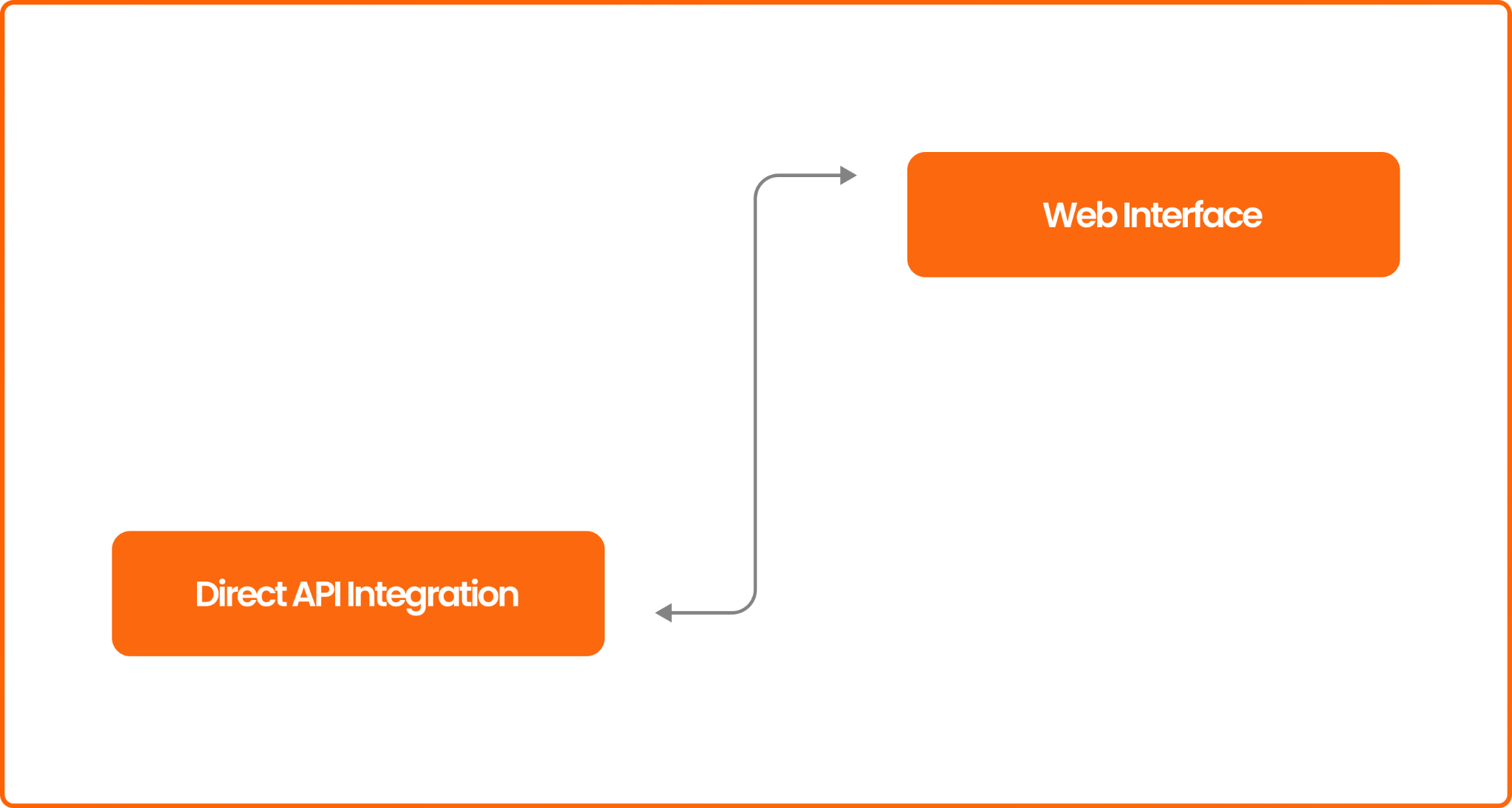
The solution supports two operational modes:
- Direct API Integration: First, Sycamore’s core application integrates directly via API. Mandates can be created and debit instructions triggered programmatically as part of the customer journey. This ensures repayment and structured financial flows remain embedded within the product experience.
- Web Interface: Second, operations teams can access a web interface to create mandates, initiate debits and monitor transaction status manually where required. This supports assisted workflows and internal oversight.
Both modes operate on top of the same NIBSS integration layer, ensuring consistency and control across channels.
Operational And Commercial Outcome
The combined delivery of full NIBSS integration and Direct Debit platform deployment achieved measurable operational outcomes.
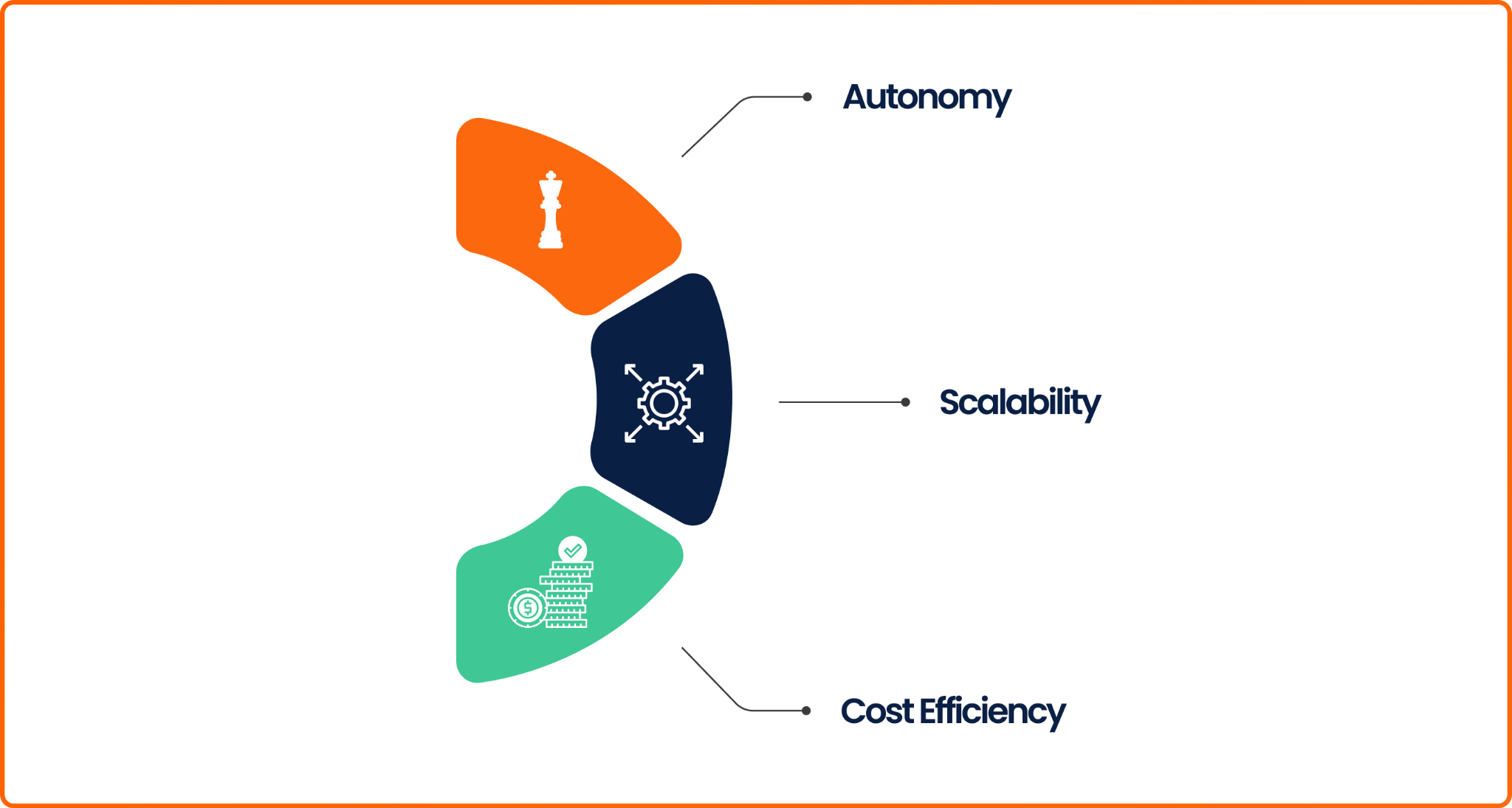
- Autonomy: Sycamore moved from licence acquisition to complete operational readiness across all required payment rails.
- Scalability: Recurring debit orchestration was implemented without building internal scheduling logic.
- Cost Efficiency: Dependency on third-party collection providers was removed, reducing intermediary markups and improving cost control over recurring debit volumes.
Mandate lifecycle management and recurring debit execution now sit fully within the bank’s licenced environment.
Conclusion
This engagement reflects Assurdly’s approach to providing reusable, regulated infrastructure integration.
By leveraging our NIBSS-in-a-Box and Direct Debit Reusable Integration, we established full ecosystem participation and extended it with operational layers aligned to real business models. For Sycamore, that meant complete NIBSS integration across all required services and deployment of a Direct Debit platform that transforms mandate services into a structured recurring capability.
The result is infrastructure that supports lending, savings and investment operations directly, reduces external dependency and positions the institution for scalable growth within Nigeria’s evolving payment ecosystem.