Why Production Experience Matters in Payment Integration
Payment integration is one of those areas where documentation alone does not tell the full story. Specifications explain how a service should work, but production experience reveals how institutions actually move through implementation, where timelines tend to stretch, what configurations require extra care, which edge cases are easily missed, and what must be in place before a financial institution can operate confidently in a live environment.
This is why experience matters. A payment integration partner that has only implemented against a specification understands the connection. A partner that has supported multiple institutions through testing, certification, production activation and post-go-live operations understands the journey. The difference becomes clear when the project moves beyond development and begins to face the realities of regulated financial infrastructure.
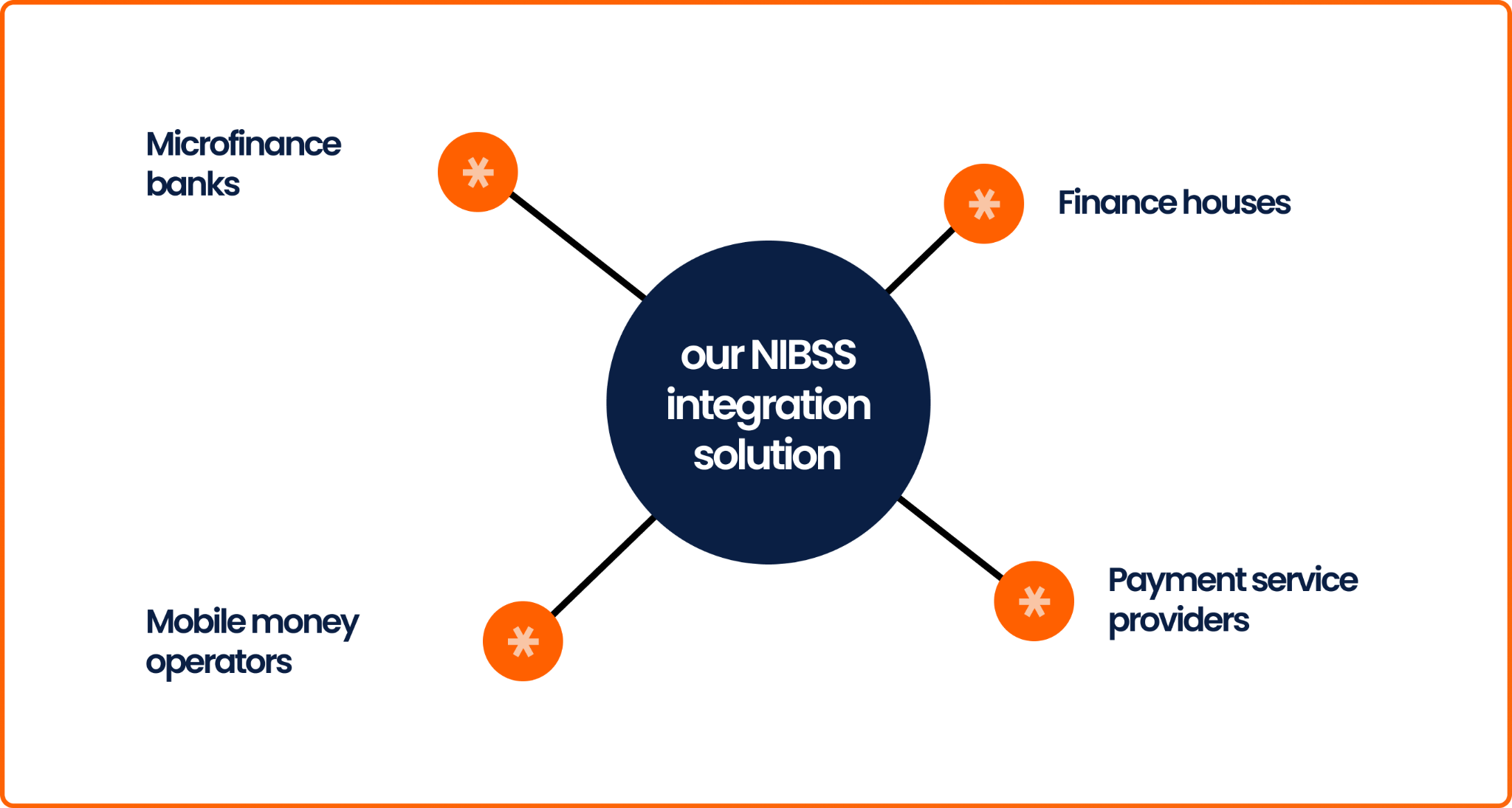
At Assurdly, our NIBSS integration solution and delivery approach have powered integrations for over 10 institutions across banks, microfinance banks, finance houses, mobile money operators and payment service providers. That repeated exposure has shaped how we prepare, configure, test and support integrations, because every production journey strengthens the next one.
Production Experience Refines The Process
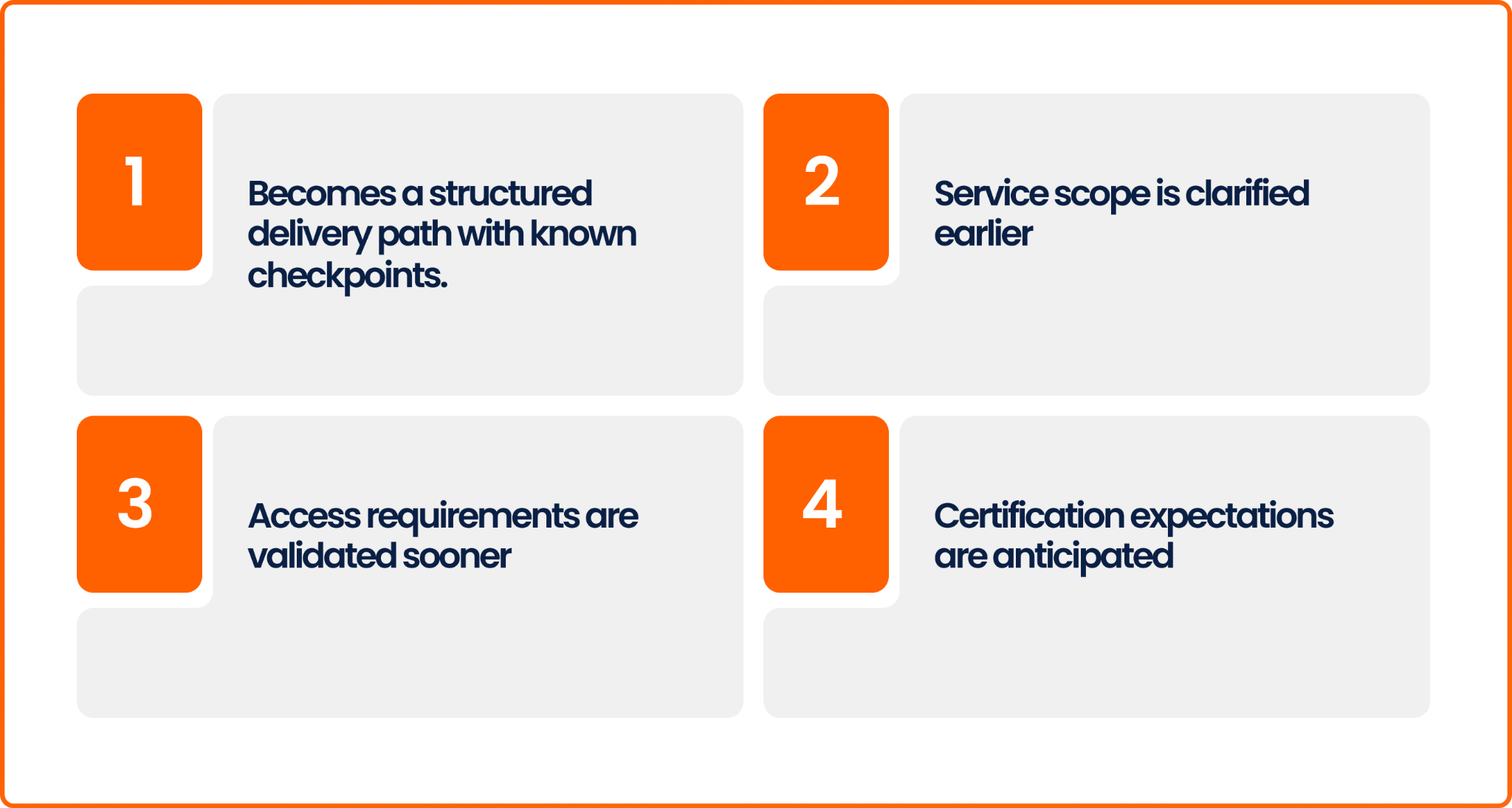
The first thing production experience gives is a more mature process. After multiple integrations, the work stops being treated as a fresh experiment and becomes a structured delivery path with known checkpoints. Service scope is clarified earlier, access requirements are validated sooner, certification expectations are anticipated, and production dependencies are tracked before they become blockers.
This matters because payment integration is rarely delayed by one large issue. More often, it is delayed by several smaller issues that compound. A missing identifier, incomplete credential set, delayed whitelisting, unclear settlement dependency or untested exception flow can each create avoidable rework. A mature process reduces those surprises because it is built around the issues that previous integrations have already made visible.
For institutions, this creates a more confident delivery experience. Instead of relying only on optimism and technical effort, the project is guided by a pattern that has already been tested across different operating environments. That structure helps product, engineering, compliance and leadership understand what must happen before the institution can move safely towards production.
Tested Flows Reduce Uncertainty
Payment integrations are not just about successful transactions. They must also handle reversals, failed postings, duplicates, timeouts, response mismatches, reconciliation questions and operational exceptions. These are the behaviours that often separate a technically connected system from a production-ready one.
Repeated implementation allows these flows to be tested and refined over time. Each institution may have its own infrastructure, but many of the underlying payment behaviours are familiar. When those behaviours have been encountered before, the integration partner can design and validate with more confidence. This reduces the risk that critical scenarios are only discovered during certification or after go-live.
For regulated institutions, this is important because live payment operations leave little room for uncertainty. Customers expect transactions to behave predictably, operations teams need traceability, and leadership needs confidence that the system can handle more than the ideal transaction path. Tested flows give the institution a stronger base to operate from.
Known Pitfalls Become Delivery Checkpoints
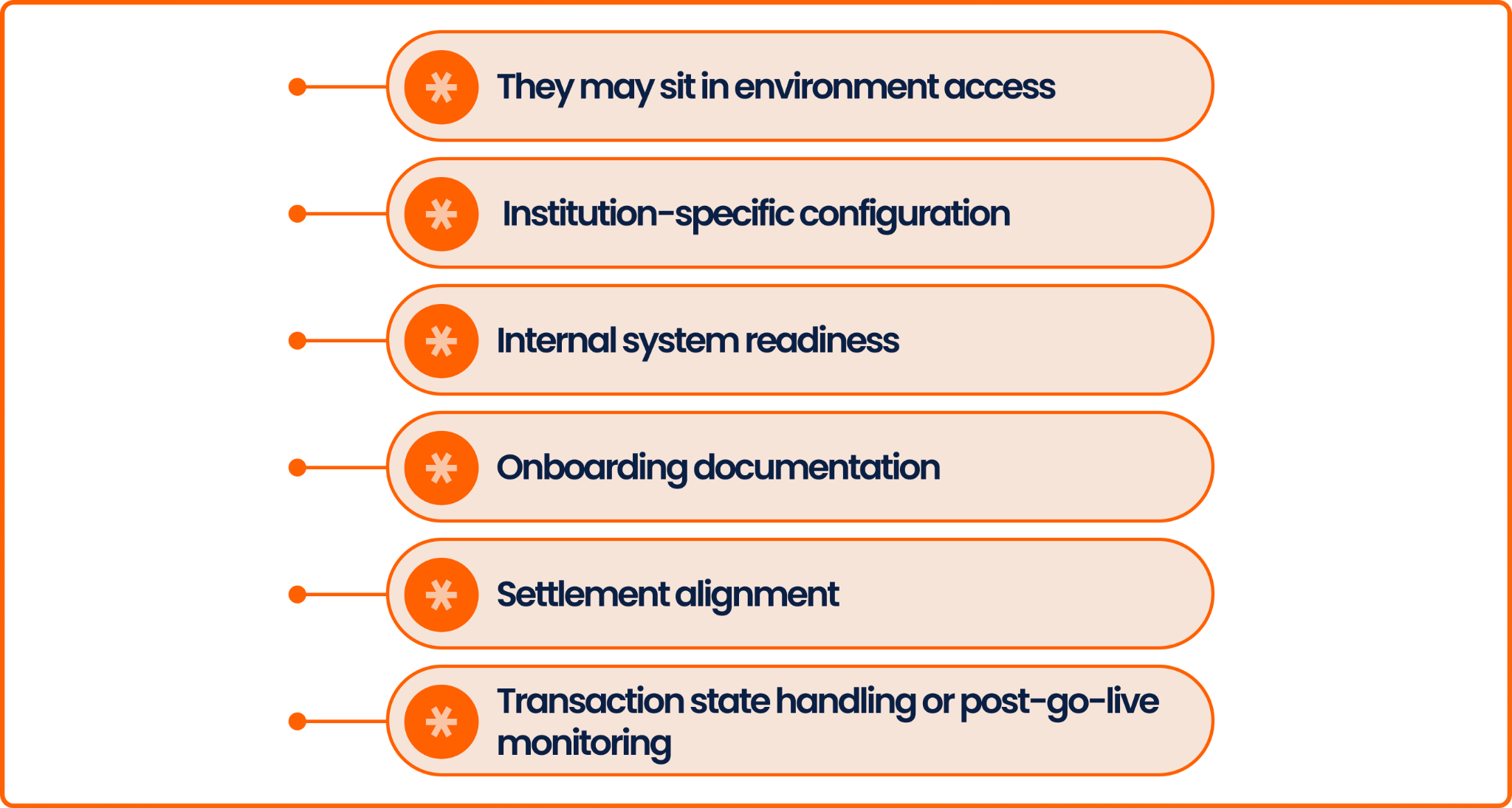
One of the biggest advantages of experience is knowing where projects tend to go wrong before they go wrong. In payment integration, the common pitfalls are not always dramatic. They may sit in environment access, institution-specific configuration, internal system readiness, onboarding documentation, settlement alignment, transaction state handling or post-go-live monitoring.
When these pitfalls are known, they become delivery checkpoints. The team knows what to confirm before implementation moves too far, what to test before formal certification, what to prepare before production access, and what to monitor once the service is live. This changes the quality of execution because the project is no longer reacting to every issue as though it is new.
This is where maturity becomes practical. It is not about claiming that payment integration has no complexity. It is about bringing enough experience to the table that the complexity is managed with foresight instead of panic. Institutions benefit because their internal teams do not have to learn every lesson for the first time during a high-pressure project.
Stable Configurations Improve Confidence
Payment infrastructure depends heavily on configuration discipline. Credentials, institution codes, service identifiers, endpoints, whitelisted IPs, environment settings, callback URLs, routing rules and operational parameters all need to be correct for the integration to behave reliably. A weak configuration process can make even good code difficult to test, certify or operate.
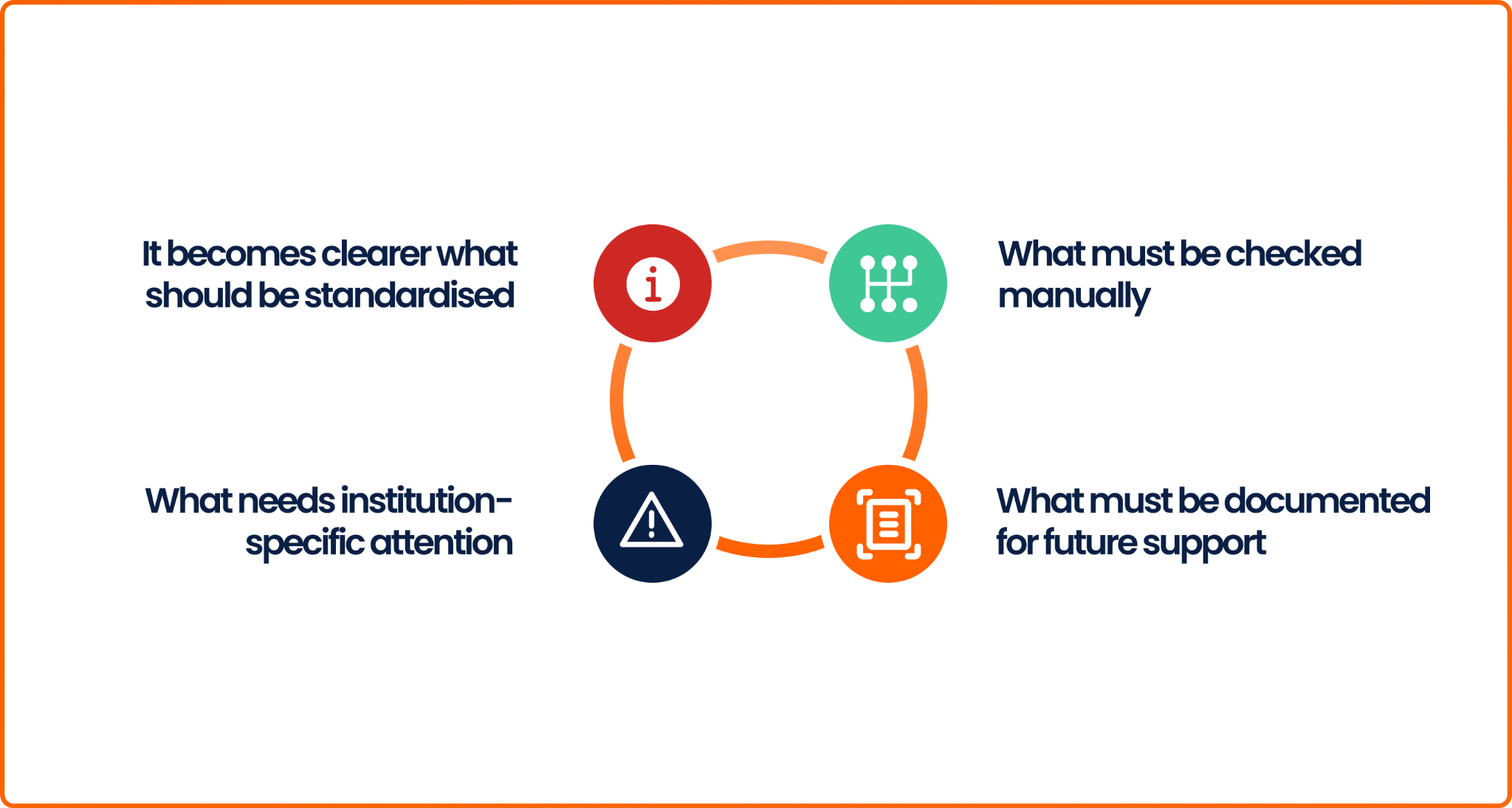
Production experience improves configuration stability because it exposes the patterns that must be controlled. It becomes clearer what should be standardised, what must be checked manually, what needs institution-specific attention and what must be documented for future support. This reduces ambiguity and makes the integration easier to maintain after go-live.
For an institution, stable configuration is not just a technical benefit. It improves operational confidence. When the team understands how the integration is configured, where key dependencies sit and how to manage changes safely, the service becomes easier to support beyond the initial launch.
Maturity Shows Up After Go-Live
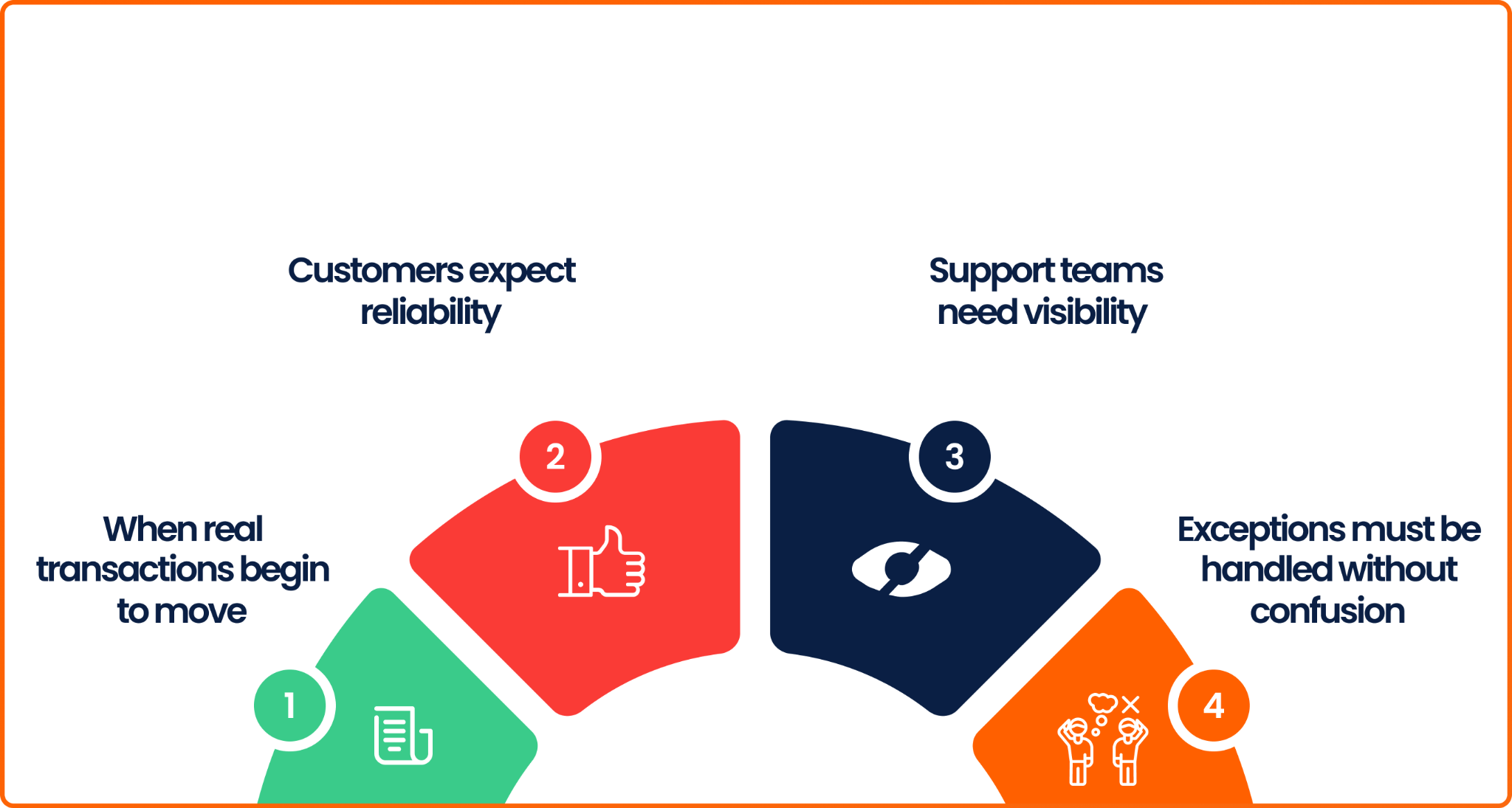
The quality of an integration is not fully proven at certification. It is proven in production, when real transactions begin to move, customers expect reliability, support teams need visibility, and exceptions must be handled without confusion. This is where experience becomes even more valuable because post-go-live realities often expose weaknesses that were not obvious during implementation.
A mature payment integration approach considers monitoring, reconciliation, exception handling and operational support before the institution goes live. It ensures that transaction behaviour is not only technically successful, but also traceable and manageable. This matters because the cost of poor visibility after go-live is usually borne by customer support, operations, product and leadership.
Assurdly’s experience across multiple institutions has reinforced this view. Integration should not end at connection or certification. It should result in a service that the institution can operate with confidence, understand when issues arise and improve as transaction volumes grow.
Why This Matters For Financial Institutions
For Microfinance Banks (MFBs), Payment Service Provider (PSPs), Finance Houses, Mobile Money Operators(MMOs) and other regulated financial institutions, payment integration is not just a technical milestone. It affects product launch, customer experience, operational trust, revenue readiness and market credibility. The partner chosen for that work should therefore bring more than the ability to connect to an API.
Experience gives the institution a stronger path. It brings refined processes, tested flows, known pitfalls, stable configurations and a better understanding of what production readiness actually requires. That maturity reduces avoidable surprises and gives the institution a clearer route from implementation to live operation.
This is the value Assurdly brings. Having powered integrations for over 10 institutions, we understand that payment integration is not only about getting connected. It is about helping regulated institutions launch with the confidence that the process, configuration, testing and operational support behind the connection have been shaped by real production experience.