%20(1).jpg)
Nigeria Inter-Bank Settlement System (NIBSS) integration is rarely treated as strategic infrastructure. It is often treated as a technical milestone.
That framing is where many institutions get it wrong.
From working with multiple Central Bank of Nigeria licenced institutions across different integration journeys, a pattern becomes clear. The delays and disruptions that occur are rarely caused by intricacy alone. They are caused by assumptions.
Below are some of the most common ones.
Starting Integration Before Regulatory Readiness

Many institutions begin integration planning before regulatory positioning is fully settled.
This may include licence status not yet formalised, unclear service scope approvals or uncertainty around settlement bank structures.
When regulatory alignment is incomplete, integration efforts eventually pause. Technical progress cannot compensate for licencing gaps or unresolved compliance dependencies.
NIBSS integration should begin from a position of regulatory clarity. Otherwise, momentum stalls mid-process.
Underestimating The Difference Between Inward And Outward Logic
Institutions sometimes assume that supporting outward transfers is equivalent to being ready for inward transfers.
It is not.
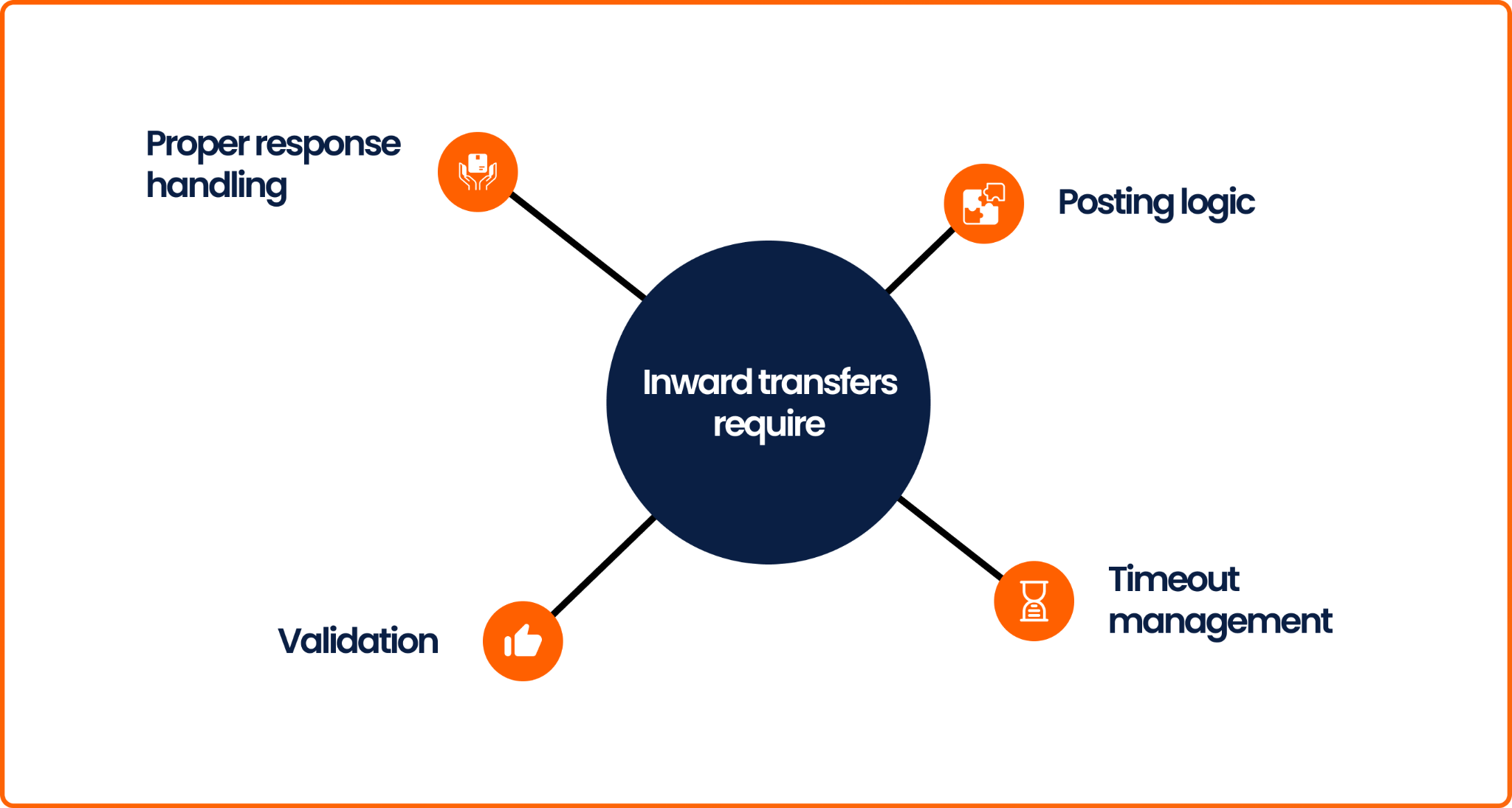
Outward logic is typically simpler because the institution initiates the transaction. Inward transfers require proper response handling, validation, posting logic, timeout management and exception behaviour.
During certification, especially for NIP inward flows, the institution’s system must respond correctly across numerous test scenarios.
Failure to design inward handling properly often surfaces during User Acceptance Testing (UAT), leading to rework and additional testing cycles.
Treating Certification As A Checklist

Certification is not a formality. It is a validation of behaviour.
Institutions that treat it as a box-ticking exercise often encounter repeated rejection cycles because the deeper system behaviour was not aligned with the specification.
Certification requires message accuracy, but it also requires process discipline. Error handling, retries, reversals and response propagation must be deliberate.
Preparation matters.
Ignoring Post-Go-Live Monitoring
Going live is not the end of integration. It is the beginning of operational responsibility.
Some institutions focus heavily on certification but invest little in monitoring after production activation.
Without structured transaction monitoring, exception tracking and operational alerting, issues that could be resolved quickly become prolonged disruptions.
Infrastructure requires ongoing visibility.
Weak Reconciliation And Exception Planning
Transaction success at the API level does not guarantee clean settlement outcomes.
Institutions that do not design reconciliation processes early often struggle to trace transaction states across systems. Exception handling becomes reactive instead of structured.
Reconciliation planning should not be deferred until after go-live.
No Rollback Or Contingency Strategy
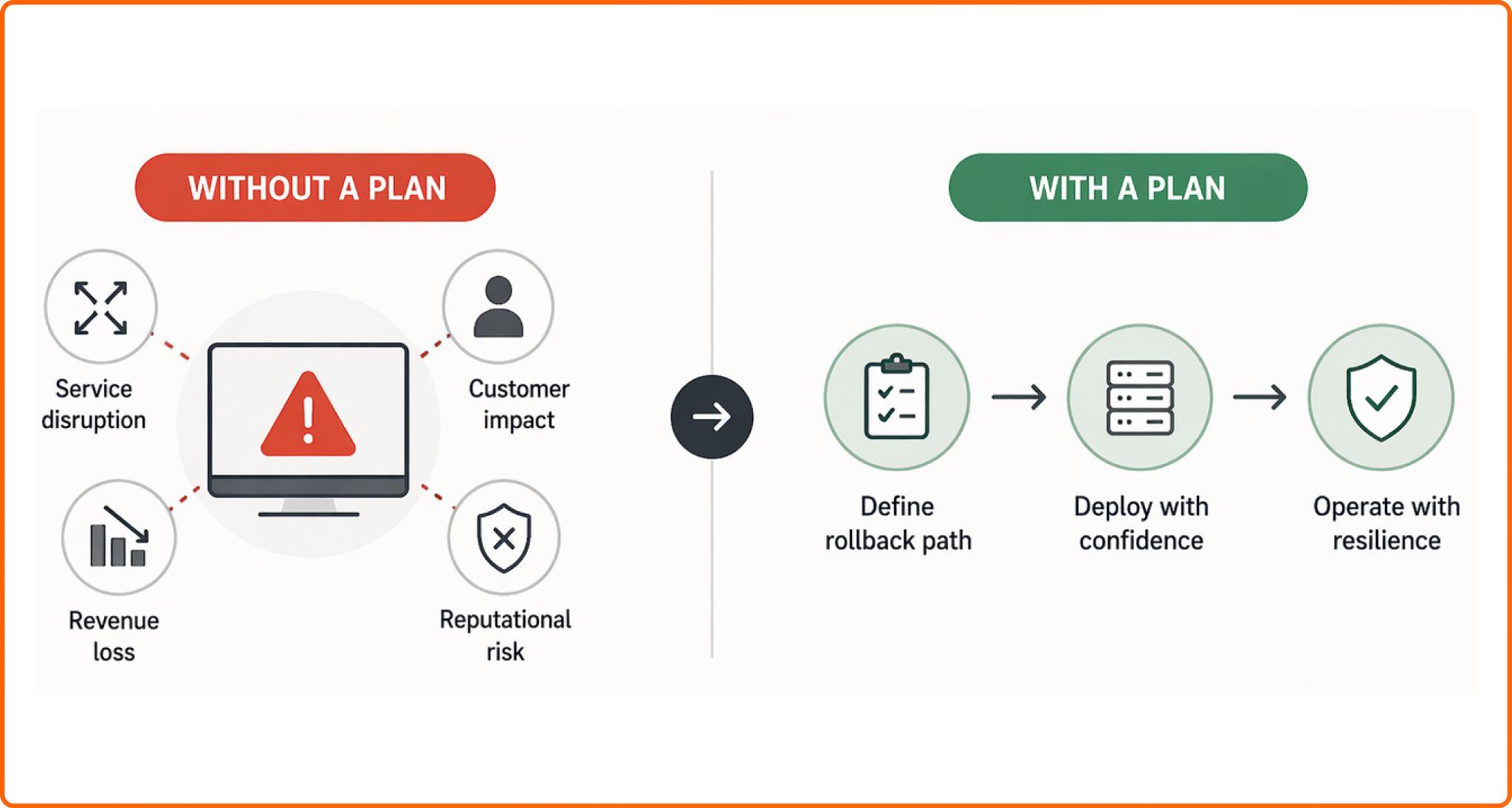
Integration introduces change into live financial infrastructure.
Institutions that deploy without defined rollback paths or contingency planning expose themselves to unnecessary operational risk.
Even if rollback is never used, the discipline of defining it improves deployment confidence.
Assuming NIBSS Is Purely Technical
Perhaps the most consistent misconception is viewing NIBSS integration as solely an engineering task.
It is not.
It involves compliance alignment, settlement coordination, structured communication with NIBSS personnel and disciplined sequencing across internal teams.
When integration is siloed within engineering, delays multiply. When it is approached as an institutional infrastructure rollout, execution improves.
Experience Changes The Trajectory
None of these mistakes are unusual. They are common because institutions encounter NIBSS integration only occasionally.
Experience changes how the process is approached.
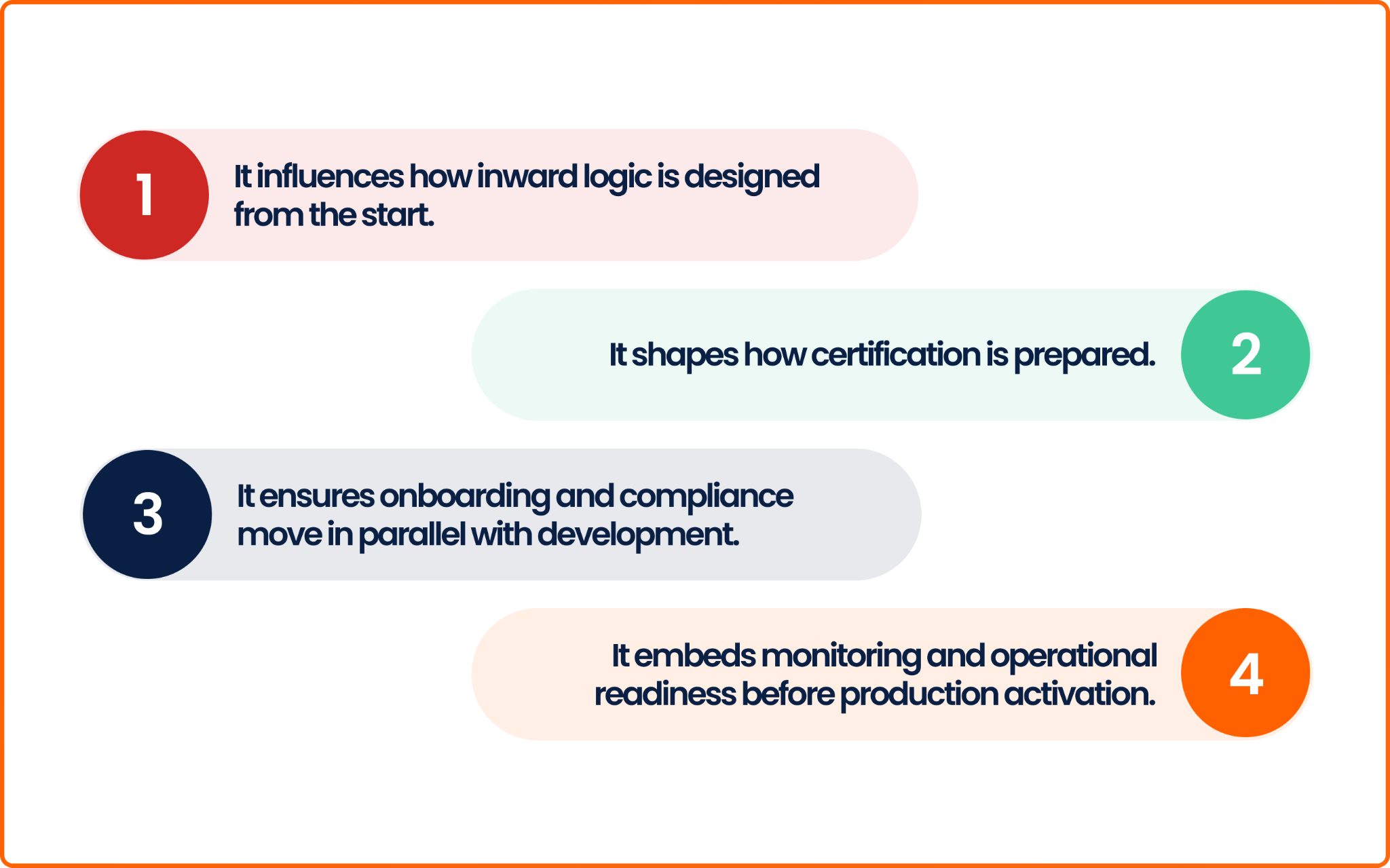
It influences:
- How inward logic is designed from the start.
- Shapes how certification is prepared.
- Ensures onboarding and compliance move in parallel with development.
- Embeds monitoring and operational readiness before production activation.
Institutions that benefit from repeated execution avoid learning these lessons mid-project.
Conclusion
Most institutions do not get NIBSS integration wrong because they lack the capability. They get it wrong because they underestimate its breadth.
NIBSS connectivity is not simply about sending and receiving transactions. It is a regulated infrastructure.
When approached with regulatory clarity, technical discipline and operational foresight, integration becomes predictable.