.jpg)
The Cost of Wasted Time
Every delayed milestone, every sprint that runs over, every stakeholder meeting without an agenda, is a tax on your business. Not a metaphorical one. A real, measurable cost in payroll, opportunity, and market momentum.
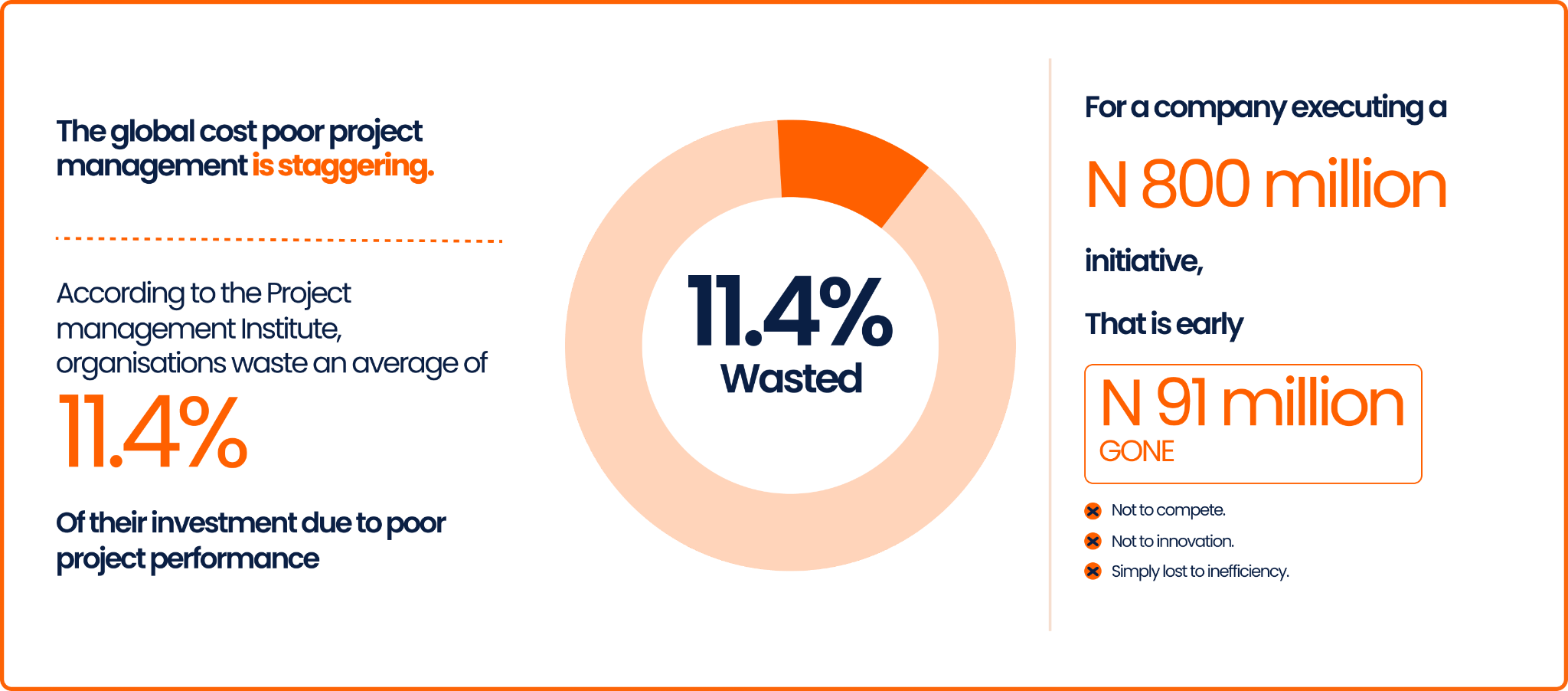
The global cost of poor project management is staggering. According to the Project Management Institute, organisations waste an average of 11.4% of their investment due to poor project performance. For a company executing a ₦800 million initiative, that is nearly ₦91 million gone. Not to compete. Not to innovation. Simply lost to inefficiency.
Time is not just money. It is leverage. The business that ships faster, iterates faster, and learns faster builds an advantage that is difficult to replicate. Not because it has more capital, but because it uses time better.
The organisations that scale are not the ones with the biggest budgets. They are the ones who waste the least time.
What Project Management Actually Means
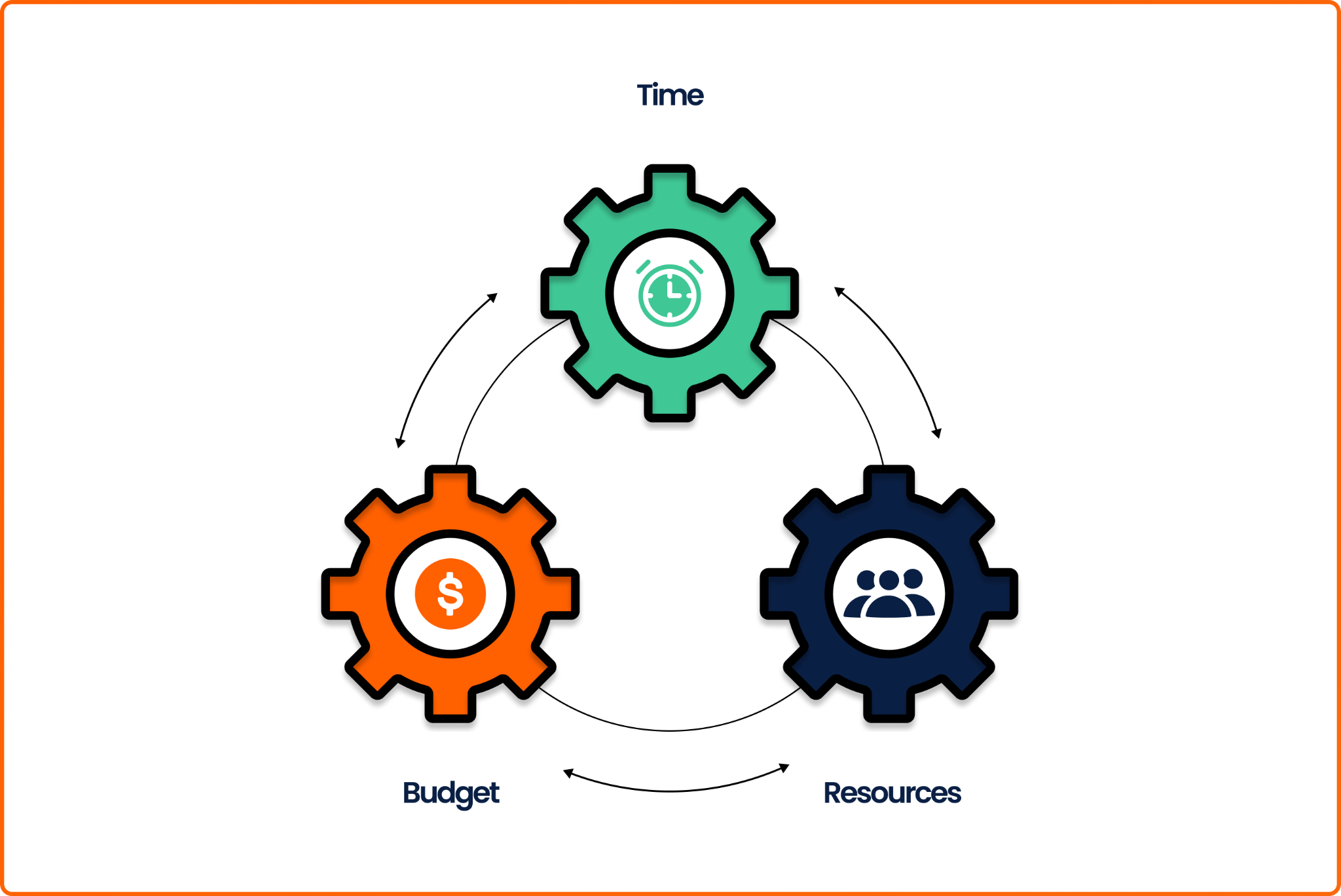
The phrase is used loosely, so it is worth being precise. Project management is the discipline of juggling time, budget, and resources to deliver the best possible outcome for an initiative. It is not a coordination email chain. It is not a Gantt chart sitting unread on a shared drive. It is a system, operated by people who understand both the technical depth of what is being built and the business value being pursued.
Across leading firms such as Accenture, ThoughtWorks, McKinsey & Company, the principle is consistent: structure enables speed. Without structure, even the most talented engineering teams move in circles. With it, they accelerate.
In practice, many organisations sit in the gap between intention and execution. Internal teams are stretched across priorities. Tools like Asana or Jira provide visibility, but they do not resolve bottlenecks. Most delivery risk does not sit in strategy design. It sits in execution, where multiple teams, dependencies, and timelines must be actively managed in real time.
That gap is where time is lost.
The Assurdly Approach: Structure That Accelerates
There is a common misconception that rigorous project management slows things down. The opposite is true when it is done right. The Assurdly model is built on agile methodology, an iterative framework that has become the global standard for managing complex, fast-moving technology projects.
Agile is not a buzzword in our workflow. It is the operating system. It means that instead of waiting for a project to reach month six before anyone realises the scope has drifted, value is delivered incrementally. Feedback loops are short. Course corrections happen in days, not quarters.
Where Time Is Recovered in Practice
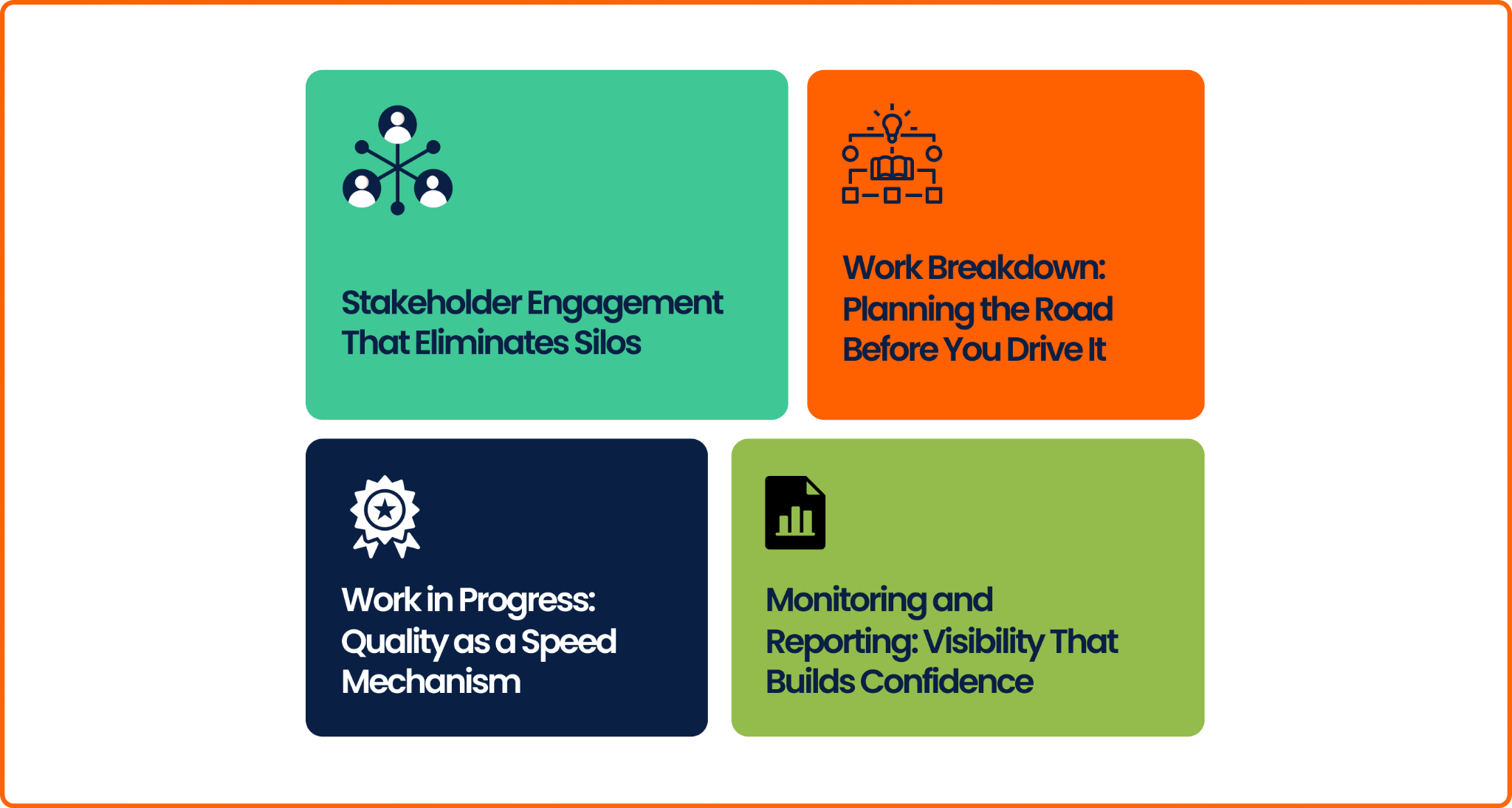
- Stakeholder Engagement That Eliminates Silos
Most delays in projects can be traced back to misalignment. Different stakeholders hold different assumptions, and without a structured interface, those differences surface late.
By centralising communication, Assurdly ensures requirements are not just collected but clarified. Technical teams receive direction they can act on. Leadership receives updates that support decisions. This reduces back-and-forth and keeps execution moving.
- Work Breakdown: Planning the Road Before You Drive It
A common failure point is starting execution without properly structuring the work. Large deliverables create long waiting periods before any value is visible.
Breaking work into defined milestones changes this. Each phase produces output that can be reviewed, validated, and improved. Progress becomes measurable, and value is realised earlier in the lifecycle.
- Work in Progress: Quality as a Speed Mechanism
One of the most expensive sources of delay is rework. Issues discovered late require more time, more coordination, and more cost to resolve.
Quality control is embedded directly into the workflow. Defects are prevented where possible and addressed early when they occur. This is not just a technical choice. It is an economic one that protects timelines.
- Monitoring and Reporting: Visibility That Builds Confidence
Projects slow down when visibility is low. Teams continue working, but misalignment grows unnoticed.
Timelines are tracked against actual progress, not assumptions. Deviations are identified early and addressed before they escalate. Reporting is structured to drive accountability, not just provide updates.
Transparency is built into the delivery model, ensuring that decisions are made with the right context and at the right time.
Where Theory Meets Outcome
Nova Bank – InfoPool Project

Nova Bank needed to consolidate fragmented performance data into a single system that could support faster decision-making.
The project brought together multiple data sources into one platform with automated updates. Custom dashboards gave leadership real-time visibility into performance across the organisation.
The result was not just improved efficiency. Decision-making became faster, and performance conversations were grounded in clear, consistent data.
Fidelity Bank – Cloud Migration Project

Fidelity Bank undertook a complex migration of its consumer banking applications to the cloud. The challenge was not only technical but operational, requiring coordination across multiple teams without disrupting user experience.
By managing both internal and external engineering resources, alignment was maintained across all stakeholders. Execution remained structured, and delivery milestones were met without the delays often associated with large-scale migrations.
The outcome was a successful transition to a more scalable and resilient infrastructure.
Why This Matters Now
Technology adoption across African markets has accelerated. Digital banking, cloud infrastructure, and performance analytics are no longer future plans. They are current requirements.
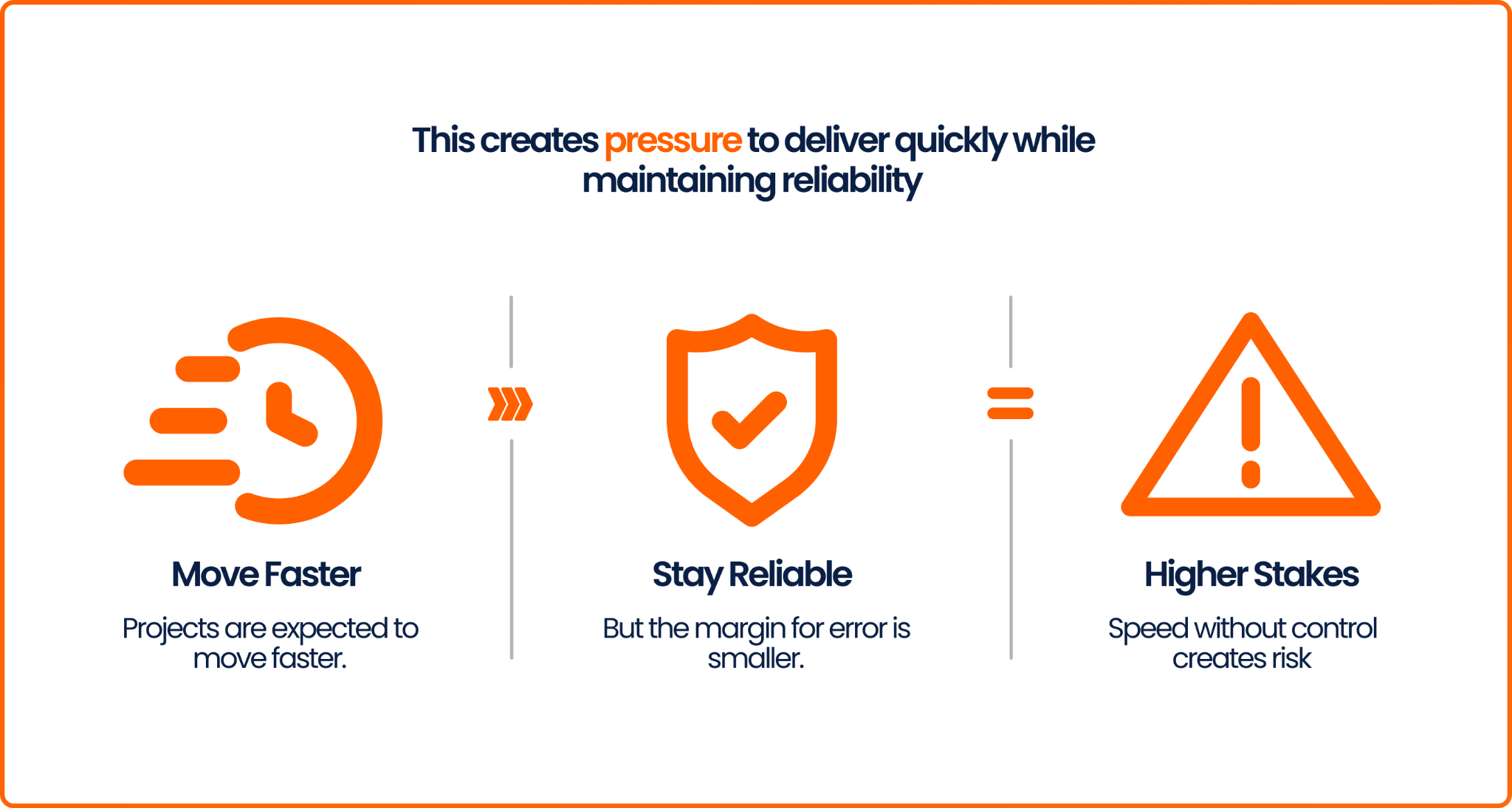
This creates pressure to deliver quickly while maintaining reliability. Projects are expected to move faster, but the margin for error is smaller.
Organisations that handle this well treat project management as a strategic function. Not as administration, but as a system that protects time and ensures consistent delivery.
Your Next Move
Every major project your organisation undertakes is a story with a beginning, a middle, and an end. The beginning is the business idea, the conviction that something is worth building. The end is value delivered, a system live, a process transformed, a capability unlocked. The middle is where most organisations struggle.
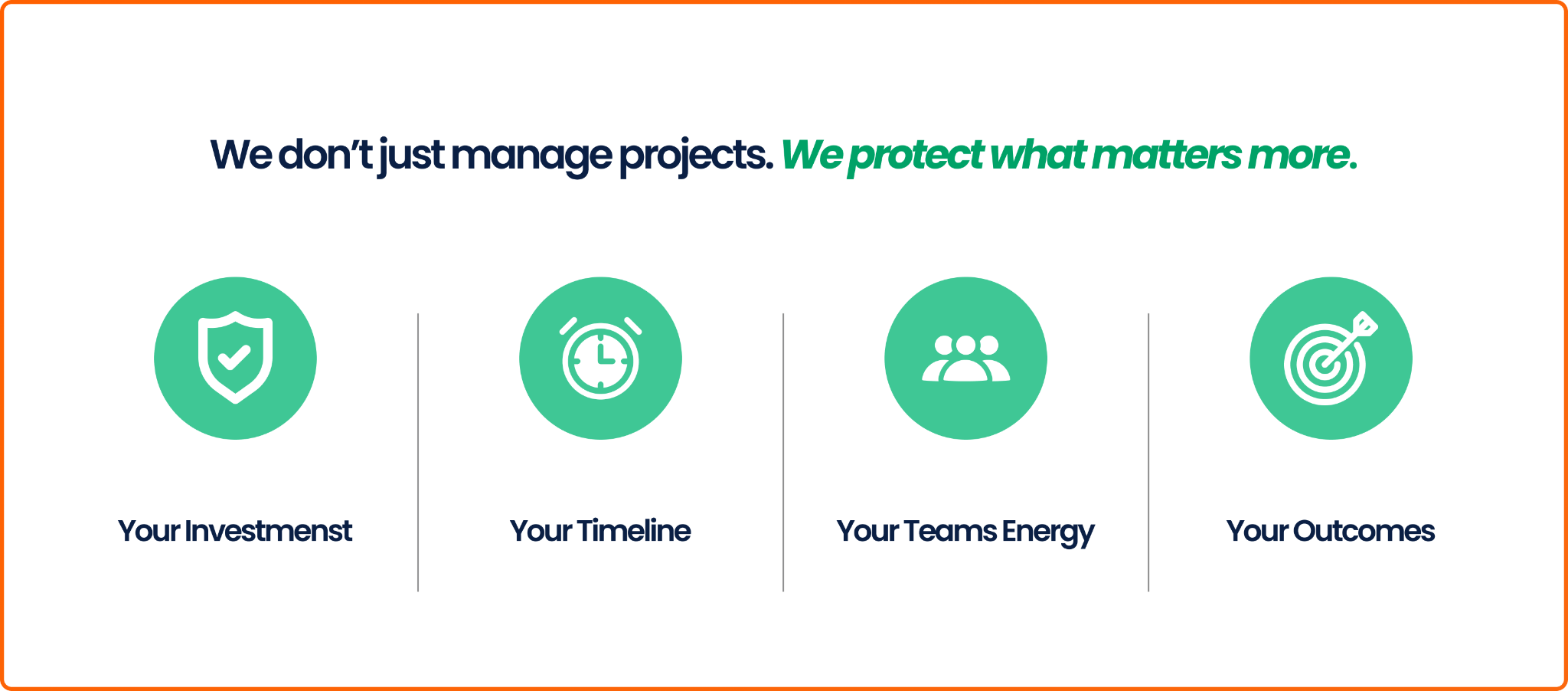
That middle, the messy, complex, high-stakes execution phase, is exactly where Assurdly operates. We do not just manage projects. We protect your investment, your timeline, and your team's energy from the entropy that derails most initiatives. If your next project matters, it deserves more than good intentions and a shared tracker. Let's build it properly.